





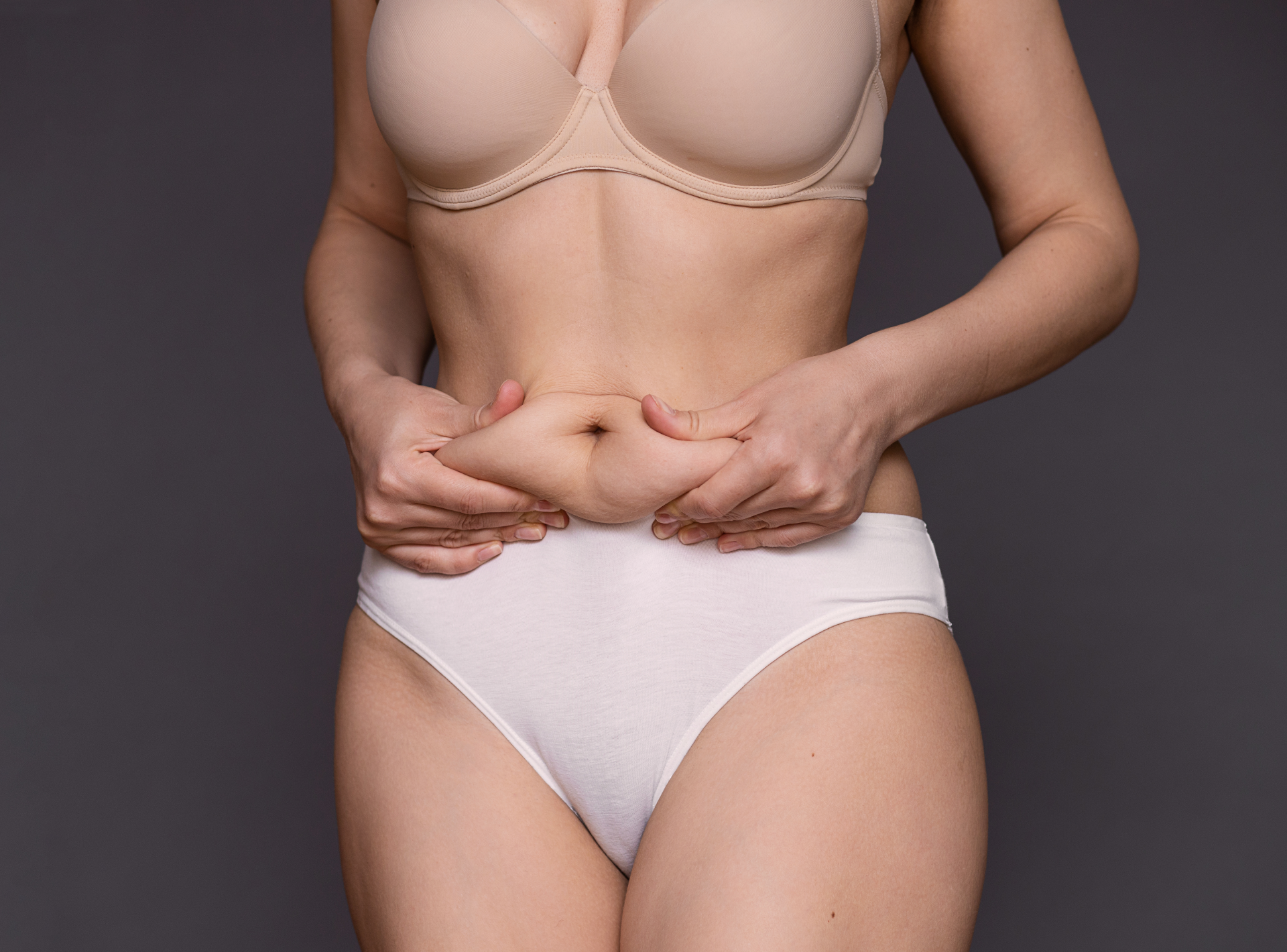
What to anticipate at each phase of your healing process is described in Tummy Tuck Recovery Day by Day.
From the first day of the procedure through the ensuing weeks, this guide provides a thorough look at your recuperation process.
You can control your expectations and guarantee a more seamless recovery by being aware of each stage.
Tummy Tuck In Dubai
Tummy Tuck in Dubai is a very successful procedure for people who want to get rid of extra skin and fat from their abdomen so they look smoother and more toned. Skilled surgeons in Dubai perform stomach tuck procedures using cutting-edge methods to guarantee minimal scarring and a quicker recovery. This procedure, which results in sagging skin and weakened abdominal musclesare especially popular among people who have experienced significant weight loss, pregnancy, or aging. During the procedure, extra skin is removed, muscles are tightened, and the shape of the abdomen is improved. Patients may experience some discomfort, bruising, and swelling following the procedure, but these side effects usually go away in the first few weeks. After four to six weeks, most people can resume their regular activities if they receive the right aftercare and adhere to post-operative instructions. Patients who choose tummy tuck surgery in Dubai have access to top-notch facilities, skilled surgeons, and excellent care to guarantee the best possible outcomes and a speedy recovery.
What to Know – Key Points
- On the day of the procedure, recovery begins with monitoring for pain and complications; to encourage circulation, light movement is advised.
- Nutrition and hydration are important for healing, and the first stages of recovery focus on rest, pain control, and appropriate wound care.
- A smooth recovery and the best possible outcomes depend on a gradual return to activities, follow-up appointments, and adherence to medical advice.
Day of Surgery: What Happens Immediately After
Your recuperation begins on the day of your stomach tuck procedure.
You should anticipate feeling drowsy, exhausted, and sometimes queasy when you awaken from anesthesia.
Such a reaction is completely typical and usually goes away as the anesthesia wears off.
During the tummy tuck procedure, general anesthesia is used, and you will be monitored by a board-certified anesthesiologist or CRNA during the procedure and the first stages of recovery.
The medical staff will closely monitor your stability and comfort upon waking.
Vital sign monitoring and discomfort management are part of immediate post-operative care.
You will spend the night in the hospital for monitoring if the surgery is done there.
You will spend one night in an aftercare facility if the procedure is done at an outpatient surgery center.
Soon after waking up, light movement—such as standing or taking a few steps—is advised to improve circulation and avoid complications.
A compression garment will be positioned around your midsection to aid in the healing process, and drainage tubes will be visible close to the incision site to prevent fluid accumulation.
Find out more about Dr. Perfect Celebrity thoughts on drains used in plastic surgery.
To reduce risks, let your doctor know if you have any allergies to drugs or anesthesia before the procedure.
This first stage lays the groundwork for your recuperation, making the days that follow easier to handle.
First Few Days Post-Surgery: Initial Recovery Phase
Resting and letting your body begin the healing process are the main goals of the first few days following a tummy tuck procedure.
For the first 2 days, try to lie down comfortably, preferably in a semi-reclined position that will ease the strain on your incisions and encourage healing (also known as the “beach chair position”).
Movement and walking are still crucial during this time, though.
Every two to three hours, set aside five to ten minutes to walk around your home.
You should be resting aside from these activities.
Bruising, swelling, and discomfort are common post-operative symptoms.
During this time, pain management is essential.
During surgery, you will receive an injection of long-acting pain medication, which usually lasts for two to three days.
You might still experience some discomfort, though, especially in the areas where your back and flanks were liposuctioned.
To ease discomfort, your doctor might recommend painkillers.
To prevent infection and blood clots, antibiotics and occasionally anticoagulants are also frequently prescribed.
Closely adhering to these instructions can help you avoid complications.
To control fluid accumulation, drains may be positioned close to your incision; these will need to be maintained on a regular basis.
You may recover more quickly if you have help with everyday tasks, particularly during the initial days.
One to three days following surgery, you will schedule a follow-up visit with your surgeon.
Your dressings will be changed during this initial post-operative visit, after which you will be permitted to take a shower.
A healthy diet full of fruits, vegetables, and protein promotes healing, and drinking plenty of water facilitates the movement of nutrients and the removal of toxins.
This first stage of recuperation is essential for laying the groundwork for the coming weeks.
Week One: Managing Pain and Swelling
During the first week of recovering from a tummy tuck, controlling pain and swelling becomes crucial.
During this time, wearing a compression garment is essential because it reduces swelling and promotes healing.
To avoid fluid accumulation beneath the skin and promote the best possible healing, these clothes should be worn for the first six weeks.
During the first week, moderate swelling is anticipated, but it should progressively lessen.
By the end of the first week, you can stand straight and sleep in any comfy position.
After a week, you won’t have any internal tears, even though it might seem like you are pulling or stretching too much.
Gradually begin to sleep and stand upright.
Pain management is essential.
Initially, prescription painkillers may be required; as discomfort decreases, over-the-counter alternatives may be gradually substituted.
Depending on your degree of discomfort and pain tolerance, lymphatic massages may be started within the first week and are highly recommended.
After a week, you will see your doctor again to discuss wound care and drain output.
Carefully adhering to these guidelines can control pain and swelling, facilitating a more seamless recovery into the second week.
BOOK AN APPOINTMENT TODAY
Week Two: Gradual Return to Light Activities
You will experience improved mobility and a gradual return to light activities during the second week of your tummy tuck recuperation.
You might feel like you can do more exercise at this point, but you should still exercise extreme caution.
Avoiding excessive activity is crucial if you have drains.
Your body produces more fluid the more active you are, and the drains become unremovable.
Don’t leave the house for errands, dining out, or shopping during the second week.
Steer clear of household tasks like laundry and cleaning.
Accepting help with household chores is crucial to avoiding any strain on your healing incisions, even though you may feel more energized.
Finding a balance between activity and rest is the goal of this stage.
Pay attention to your body and refrain from overdoing it when you resume light activities.
Only after you have stopped using narcotic painkillers and are able to get in and out of a car on your own should you start driving again.
It is advised that you keep wearing your compression garment to aid in the healing process and guarantee that swelling keeps going down.
Now is the perfect time to begin lymphatic massages if you haven’t already.
While your body continues to heal and regain strength, the second week is a time for cautious optimism.
You will see your surgeon again after surgery if you still have drains.
You can make more progress in the upcoming weeks by adhering to these guidelines.
Weeks Three and Four: Continued Healing and Increased Activity
Most patients see a significant improvement in their condition by the third week, and they might even be prepared to resume their jobs.
You begin to feel more like yourself during this time, which is a major turning point in your recovery from a tummy tuck.
Wearing your compression garment will help you manage any residual swelling that may still exist.
Keep giving yourself lymphatic massages.
You can now progressively increase the amount of activity and walking distance.
Nevertheless, walks lasting more than ten to fifteen minutes ought to be avoided.
Keep refraining from lifting anything heavier than five to ten pounds.
Around the third week, therapies and scar management are usually started.
Find out from your surgeon when you can begin these treatments.
You might begin to see noticeable results from the tummy tuck procedure by the end of the fourth week, which can be immensely satisfying.
During these weeks, pay attention to your body and refrain from overdoing it.
To avoid setbacks in your recuperation, steer clear of strenuous cleaning or household chores.
In order to guarantee a full and successful recovery and to fully heal, patience and gradual progression are essential during this phase.
Week Five and Beyond: Resuming Normal Routines
You can start returning to regular routines and more demanding activities as you approach the fifth week and beyond.
After stomach tuck surgery, many patients can resume their jobs in two to three weeks, but by week five, the majority can fully resume their regular activities.
Regaining a sense of normalcy and continuing to assist your recuperation are the goals of this phase.
You can begin adding more intense workouts after week six, such as leg lifts or yoga, which are mild core strengthening exercises.
You can start doing cardio again and progressively increase your toning and strengthening exercises.
Depending on the patient’s preferences, compression garments and lymphatic massages may continue for up to three months.
As you increase your level of activity, it’s critical to pay attention to your body and heed your doctor’s advice.
It’s still crucial to make and keep follow-up appointments with your surgeon to make sure your recuperation is going as planned.
These visits give you the chance to address any unresolved issues and make any necessary modifications to your recovery plan.
You can confidently return to your regular activities while still healing if you follow these recommendations.
Tips for a Smooth Tummy Tuck Recovery
Recovering from a stomach tuck depends on a number of important factors.
Maintaining proper hydration is essential for the movement of nutrients, the removal of toxins, and the avoidance of constipation.
Your recuperation and weight management will be aided by drinking lots of water and eating a balanced diet high in protein and good fats.
Compression clothing promotes healing and reduces scarring during the healing process.
These clothes help you maintain a tight and flat profile by ensuring that your abdominal muscles and skin heal properly.
In order to minimize complications and achieve the desired results, you must limit your activity in the first few weeks following surgery.
To facilitate your recovery after surgery, it’s a good idea to make arrangements for child care or help with everyday tasks.
Adhering to these recommendations guarantees the best possible result from your stomach tuck and improves your recuperation process.
Potential Tummy Tuck Complications and How to Address Them
Even though tummy tuck procedures are usually safe, patients may experience side effects like infection, blood clots, and persistent swelling.
Keep an eye out for symptoms of infection, such as redness or strange pain near the site of the incision, and get in touch with your surgeon if these appear.
Complications can be reduced by closely adhering to your surgeon’s post-operative instructions.
This entails taking prescription drugs as directed, taking good care of wounds, and showing up for follow-up appointments.
Don’t be afraid to ask your medical team for advice if you have any serious discomfort or symptoms that concern you.
You can address possible issues early and guarantee a more seamless recovery by being watchful and proactive in your care.
You will feel more at ease as you recover if you are aware of these risks and know how to control them.
MEET THE EXPERT DOCTOR
Long-Term Care and Final Results
Managing scars and leading a healthy lifestyle are key components of long-term care following a tummy tuck.
Many patients discover that their scars have flattened and resemble their natural skin tone by the one-year mark.
For the scar area to heal better and avoid discoloration, sun protection is crucial.
Over time, a surgeon’s scar management techniques and non-invasive laser therapy can improve the appearance of tummy tuck scars.
By three to six months following surgery, the full effects of the tummy tuck are usually apparent, showing a tighter, flatter abdominal profile.
To maintain your results and get a tight stomach, you must continue to eat a balanced diet and engage in regular exercise.
You can continue to reap the rewards of your tummy tuck for many years to come by adhering to these long-term care recommendations.
Final Tips for a Tummy Tuck Recovery
In conclusion, recovering from a tummy tuck is a journey that calls for perseverance and hard work.
For the best outcomes, every stage—from the immediate post-surgery phase to the gradual return to regular activities—is essential.
You can make a smooth recovery by controlling your pain and swelling, doing light exercises, and heeding your surgeon’s advice.
Recall that wearing compression clothing, eating a balanced diet, and staying hydrated are essential to a full recovery.
Remain proactive in your care and be aware of possible complications.
You can fully benefit from your stomach tuck procedure with these insights and advice.
Are you trying to find out more about stomach tucks?
If you have any more questions, get in touch with the Dr. Perfect Celebrity team right now. He is a skilled tummy tuck surgeon in Dubai.
Frequently Asked Questions
How Long Should I Wear A Compression Garment After A Tummy Tuck?
After a tummy tuck, you should wear a compression garment for at least six weeks to promote healing and reduce swelling. This duration contributes to the best possible recuperation. Benefits will persist for up to three months after continued use.
When Can I Return To Work After A Tummy Tuck?
Depending on how well you’re recovering, you can usually go back to work two to three weeks after a tummy tuck. Patients who work virtually or remotely may be able to return in a week or two. Patients who work physically demanding jobs may need to take a full six weeks off. It’s critical to pay attention to your body and seek individualized guidance from your surgeon.
What Are The Signs Of Infection After A Tummy Tuck?
Redness, unusual pain near the incision site, and fever are indicators of infection following a tummy tuck. If you experience any of these symptoms, it is imperative that you get in touch with your surgeon.
Can I Exercise During Tummy Tuck Recovery?
Following surgery, limited walking is advised. Over the coming weeks, your permitted walking distance will gradually increase. Weightlifting and strenuous exercise should be avoided for six weeks. For individualized guidance, always speak with your surgeon.
How Long Does It Take To See The Final Results Of A Tummy Tuck?
Although the appearance of the scars will gradually improve over time, you can typically anticipate seeing the final results of a tummy tuck within three to six months of the procedure.
Best Plastic Surgeon In Dubai For Tummy Tuck
Best Plastic Surgeon in Dubai for a tummy tuck is available at the Perfect Doctors Clinic to achieve the desired aesthetic results and guarantee a safe and successful procedure. Some of the most skilled and knowledgeable plastic surgeons in Dubai specialize in body contouring procedures, such as tummy tucks. The top plastic surgeons in Dubai will start with a comprehensive consultation, evaluating the patient’s requirements and expectations and talking about the ideal surgical technique for their particular body. Top surgeons guarantee a speedier recovery, less scarring, and more natural-looking results with cutting-edge techniques like minimally invasive options. After surgery, patients may experience some swelling, bruising, and discomfort, which medication can control. A trustworthy surgeon provides clear aftercare instructions and follow-up appointments to track progress. Patients can feel secure in obtaining a more sculpted abdomen with long-lasting results that improve both physical appearance and self-confidence by selecting a qualified plastic surgeon in Dubai.