





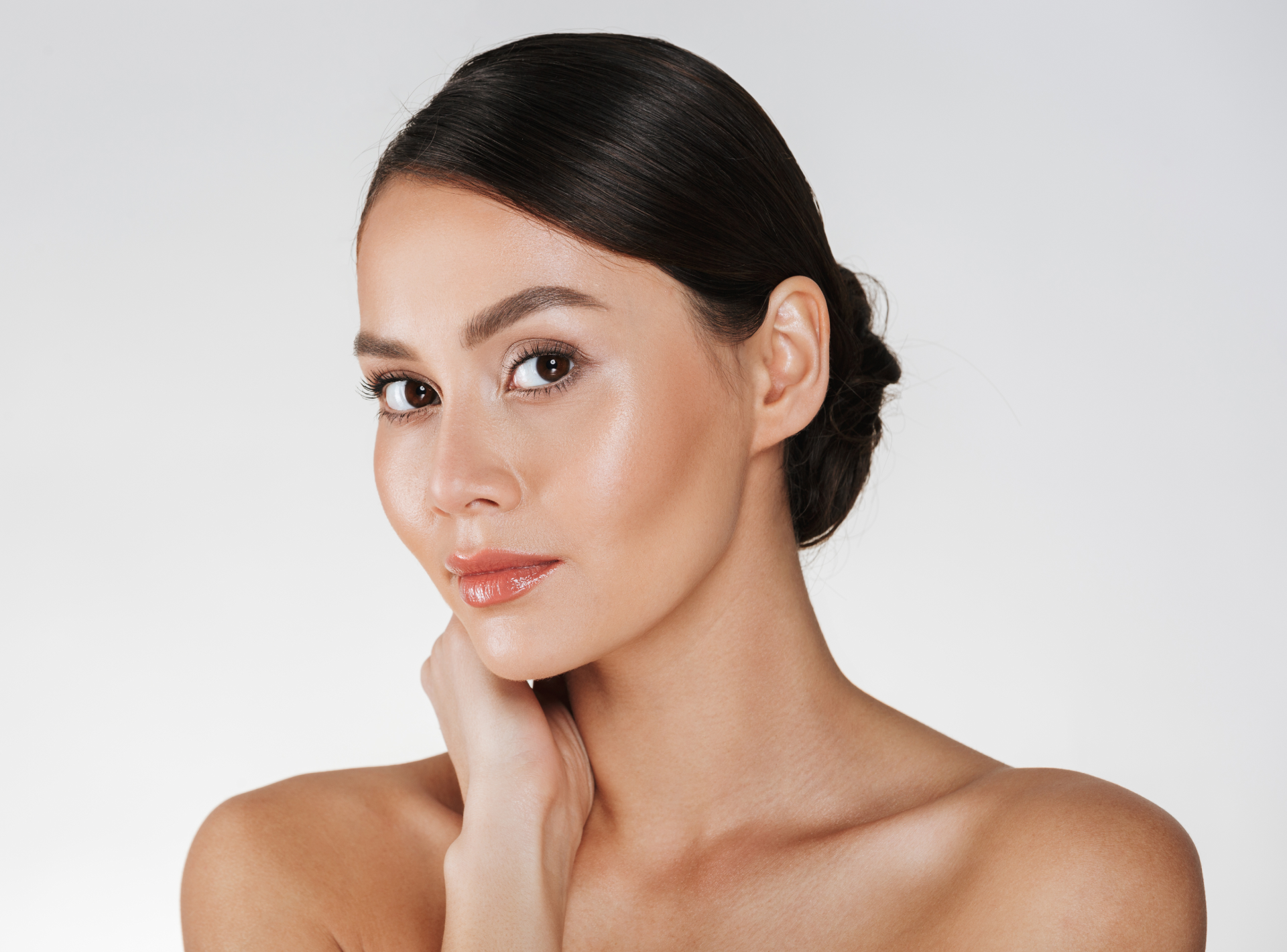
Using the power of natural DNA components to boost the body’s natural healing processes, polynucleotide therapies have become a groundbreaking method in the field of skin rejuvenation. By encouraging the creation of collagen and elastin, which are essential for preserving skin firmness and suppleness, these therapies aim to improve skin health. Our skin naturally loses these vital proteins as we age, resulting in sagging, wrinkles, and fine lines. The main objective of polynucleotide treatment is to restore the skin’s vitality and improve its overall texture. Polynucleotides provide a solution by promoting cellular regeneration and revitalization, making them an increasingly popular choice for people wanting a more youthful appearance.
Patients can anticipate both rapid hydration and long-term benefits from the introduction of polynucleotides into the skin, as the treatment enhances the skin’s inherent capacity for regeneration. Because of this dual-action strategy, while some effects could be apparent soon after treatment, the entire effects usually take several weeks to manifest as collagen formation increases. It is important for prospective patients to understand the recovery period related to polynucleotide therapies. Many people are worried about how long it will take them to get back to their regular routines. Fortunately, most patients recover quickly from these therapies and can resume their regular activities nearly right after.
To maximize results and minimize any potential side effects, it is crucial to adhere to post-treatment guidelines. In this article, we will go deeper into the details of recovery times after polynucleotide treatments, examining what patients can anticipate during their healing process and how they can maximize their results for long-lasting skin rejuvenation.
Polynucleotide Treatments In Dubai
Polynucleotide Treatments in Dubai are advanced regenerative skin therapies designed to repair damaged skin, improve elasticity, and stimulate natural collagen production for a healthier and more youthful appearance. Understanding the recovery time is essential for setting the right expectations and ensuring optimal results. After the treatment, patients may notice mild redness, slight swelling, or small injection marks, which are completely normal and usually subside within 1-2 days. In some cases, minor sensitivity or tightness may last for a few days depending on the skin type and treatment area. Most individuals can return to their normal daily routine immediately, as this procedure involves minimal downtime. However, it is recommended to avoid direct sun exposure, heavy workouts, and harsh skincare products for at least one to two days. Over the following weeks, the skin gradually improves as collagen production increases, leading to better texture, hydration, and firmness. Full results typically develop over multiple sessions, making consistency and proper aftercare key to long-lasting benefits. Maintaining hydration and using sunscreen daily further supports the healing process and enhances overall skin quality.
What Are Polynucleotides?
Nucleotide sequences, the building blocks of DNA and RNA, make up polynucleotides, which are naturally occurring biopolymers. These chemicals are essential for many biological functions, such as cellular regeneration and repair. The main purpose of polynucleotides in dermatological applications is to stimulate the body’s natural healing processes. Polynucleotides are derived from natural sources, such as salmon DNA, and are praised for their amazing ability to improve skin health and appearance. They stimulate the synthesis of collagen and elastin, two vital proteins that keep skin firm and elastic, when injected into the skin.
Improved skin texture, fewer fine wrinkles, and a more youthful appearance are the results of this stimulation.
Benefits Of Polynucleotides
- Enhanced Skin Regeneration: By promoting cellular regeneration, polynucleotides aid in the healing of injured skin and enhance its general health.
- Increased Hydration: Their special capacity to hold onto moisture in the skin results in a more plump and hydrated complexion.
- Reduction of Fine Lines: Polynucleotides help reduce the appearance of wrinkles and fine lines by encouraging the manufacture of collagen.
- Improved Skin Elasticity: Increased skin elasticity, which gives the appearance of firmer, younger skin, is a result of the stimulation of elastin production.
- Versatility: By combining polynucleotide therapies with other cosmetic operations, overall outcomes can be improved.
How Polynucleotides Work
Polynucleotides work through a number of important mechanisms. They interact with skin cells after being injected into the dermis, activating growth factors that are essential for tissue healing. Additionally, polynucleotides help regulate inflammation in the skin, creating an ideal environment for healing. This interaction not only speeds up healing but also promotes the generation of new cells to replace older, damaged ones. People with sensitive or reactive skin types will especially benefit from this anti-inflammatory impact.
Because of this, patients frequently have little recovery time after treatment, which makes polynucleotide therapy a desirable choice for people looking for efficient yet non-invasive skin rejuvenation methods.
The Recovery Process After Polynucleotide Treatment
Setting reasonable expectations and guaranteeing the best outcomes require an understanding of the recovery process following polynucleotide therapy. Patients can usually expect a quick recovery, with the majority going back to their regular activities nearly right after. For a seamless post-treatment experience, there are some rules and deadlines to take into account. Mild side effects like redness, swelling, or bruising at the injection sites are typical right after the procedure. Usually transient, these effects should go away in a few hours to a few days.
In order to promote healing and reduce discomfort, patients are recommended to:
- For the first twenty-four hours, stay away from physically demanding activities.
- For a few days, limit your exposure to heat sources like saunas and steam rooms.
- For a few days after treatment, avoid prolonged exposure to the sun or UV rays.
What to anticipate: Shortly after the initial treatment, many patients start to see improvements in the appearance of their skin. But the full effects of polynucleotide therapy usually take time to show up, especially after more sessions. To get the best benefits, most people will need two to three treatments spaced three to four weeks apart. As part of your post-treatment care, it is crucial to adhere to any specific instructions given by your practitioner. The progressive improvement in skin texture and elasticity is related to the stimulation of collagen and elastin formation, which takes time to grow.
This could involve suggestions for skincare goods or practices that can aid in recuperation and improve outcomes. Maintaining a balanced diet and staying hydrated can also help your skin heal. In the end, even though polynucleotide treatment has a short recovery period, following these recommendations will help you get the most out of your treatment.
Immediate Effects And Short-Term Recovery
Patients frequently notice a variety of rapid results following polynucleotide treatment, which can differ depending on the particular skin types and locations treated. In order to ensure patient reassurance and set reasonable expectations, it is essential to comprehend these consequences. Mild reactions are frequently observed in the early hours after therapy. These could consist of:
- Redness: It is normal to have a small reddening of the skin, which normally goes away in a few hours.
- This reaction shows that the body is starting to respond favorably to the treatment and is a normal reaction to the injection procedure.
- Swelling: Localized swelling at the injection sites may be observed by certain patients. Usually moderate, this should go away in a day or two.
- Soreness: The treated areas may feel tender or sore, similar to what happens after a workout. Usually, this soreness passes quickly.
- Bruising: Small bruises may occasionally appear, especially if the injections were given in delicate regions. Usually, these bruises go away in a few days.
Even though these side effects are usually modest and transient, patients must adhere to post-treatment care guidelines in order to promote the best possible recovery.
For example, avoiding physically demanding tasks for at least a day after treatment can help reduce discomfort and edema. Patients are advised to keep a close eye on their skin during this time. Limiting exposure to heat sources like saunas and steam rooms for a few days can also help with recuperation. Overall, the short-term recovery time associated with polynucleotide treatments is minimal, allowing most people to resume their daily routines almost immediately. However, it is advisable to contact a healthcare professional promptly if any unusual symptoms arise, such as excessive swelling, persistent pain, or signs of infection (like increased redness or warmth). Polynucleotide therapies are a desirable choice for people looking for skin rejuvenation because of their rapid recovery and potent outcomes.
Long-Term Recovery And Results Timeline
Managing patient expectations requires an understanding of the long-term recovery process and results timetable for polynucleotide therapies.
After receiving a polynucleotide treatment, many patients can anticipate some rapid improvements in the appearance of their skin. Although the initial recuperation period is quite brief, the route to reaching ideal results might take several weeks to months, depending on individual characteristics. But as the body starts to react to the treatment, the biggest changes usually happen gradually. The stimulation of collagen and elastin formation, which are essential for preserving skin firmness and elasticity, is the fundamental cause of this gradual improvement.
Timeline For Visible Results
In most cases, a few weeks after starting treatment, patients may begin to see minor changes. These early indicators may consist of:
- Slightly better texture of the skin
- Higher amounts of hydration
- Decrease in wrinkles and fine lines
It’s crucial to remember that polynucleotide therapies frequently start to show their full results after two or three sessions.
A series of treatments spaced three to four weeks apart is what most practitioners advise. This method gives the skin enough time to repair and react to the treatment. Patients can anticipate more noticeable outcomes by the time they finish the suggested treatment cycle, such as:
- Increased suppleness of skin
- A more bright and youthful complexion
- Better general health of the skin
Although the duration of these advantages varies, many patients report that they last six to nine months. After then, a recharge session is usually recommended every six to nine months to maintain ideal skin health and look. In conclusion, although recovery after polynucleotide treatments is quick, complete results take many months to manifest. Patients can better appreciate their journey towards regenerated skin and set reasonable expectations for the results of their treatment by being aware of this timeframe.
Factors Influencing Recovery Time
It is important to acknowledge that several factors can significantly impact the length and quality of recovery during the recovery period associated with polynucleotide therapies.
Comprehending these variables facilitates the establishment of reasonable expectations and improves individualized patient care.
Individual Health Conditions
The individual health profile of each patient is crucial to their healing process. Due to their bodies’ changed healing processes, those with pre-existing medical diseases, such as autoimmune disorders or chronic illnesses, may take longer to recover. Additionally, anyone taking drugs that hinder healing, including immunosuppressants or blood thinners, should speak with their doctor to find out how these things can effect their recuperation.
Skin Type Considerations
The speed at which a person heals from polynucleotide therapies can also depend on the type of skin. For example:
- Sensitive Skin: Following treatment, patients with sensitive skin may have increased redness or swelling, which could prolong their recuperation period.
- Oily Skin: Because they are more hydrated, those with oily skin may heal more quickly.
- Dry Skin: On the other hand, because their skin may be less tough and heal more slowly, those with dry skin may need more time to recover.
Age And Lifestyle Factors
Another important consideration is age; younger people tend to heal more quickly than older adults because of their superior capacity for cellular regeneration.
Recovery is also greatly influenced by lifestyle decisions. Healing might be hampered or aided by factors like nutrition, alcohol use, and smoking. In conclusion, although polynucleotide treatments typically provide a quick recovery period, individual differences in health state, skin type, age, and lifestyle choices can all affect the overall experience. A healthy diet rich in vitamins and minerals helps improve skin health and speed healing. Patients can maximize their recovery outcomes and better prepare for their treatment journey by being aware of these issues.
Post-Treatment Care Tips For Optimal Recovery
Appropriate post-treatment care is crucial following polynucleotide treatment to guarantee the best possible recovery and improve the procedure’s outcomes.
The following useful advice will help you take care of your skin after treatment:
- Avoid Strenuous Activities: It is recommended to avoid intense physical activity for at least a day following therapy. This covers any action that could result in excessive perspiration, such as heavy lifting or strenuous exercise.
- Limit Sun Exposure: For the first several days following treatment, shield your skin from the sun. Use a broad-spectrum sunscreen with a high SPF to protect your skin from damaging UV radiation if you must go outside.
- Skip Heat Treatments: For a few days after treatment, stay away from steam rooms, saunas, and hot baths. The healing process might be hampered by excessive heat, which can worsen redness and swelling.
- Gentle Cleansing: Wash your face with a light cleanser.
- Steer clear of exfoliants or abrasive scrubs that could irritate your skin. Instead of rubbing, gently pat your skin dry with a fresh towel.
- Moisturise Regularly: Maintaining moist skin is essential for healing. To keep moisture levels stable and aid in the healing process, use a mild, moisturizing moisturizer.
- Avoid Makeup: After treatment, it’s advised to refrain from using makeup for at least a day. This lessens the chance of discomfort or illness while letting your skin breathe.
- Stay Hydrated: To assist eliminate toxins and keep your skin moisturized from the inside out, drink lots of water.
Maintaining adequate hydration will greatly speed up your skin’s recuperation.
- Monitor Your Skin: Following therapy, pay attention to any changes in your skin. It’s common to experience some redness or swelling, but get in touch with your doctor if you experience odd symptoms or severe discomfort.
You can maximize the benefits of your polynucleotide treatment and ensure a more seamless recovery and gratifying outcomes by according to these post-treatment care guidelines. Keep in mind that each person’s skin reacts differently, so pay attention to your body and speak with your practitioner if you have any concerns while you’re recovering.
Average Recovery Time Polynucleotide Treatments
Polynucleotide treatments typically involve minimal recovery time, with most individuals resuming daily activities within 1-2 days. Mild redness or swelling may appear but subsides quickly. Full results develop gradually over several weeks as collagen production increases, improving skin texture, hydration, and overall appearance in a natural way.
Your First 24 Hours Of Polynucleotide Treatments Recovery
During the first day after polynucleotide treatments, mild redness, swelling, and small bumps may appear at injection sites. The skin may feel slightly tender or warm. It is important to avoid touching, makeup, and intense activities. Gentle care and rest help support proper healing and reduce irritation.
Stages Of Healing After Polynucleotide Treatments
Healing occurs gradually after polynucleotide treatments. In the first few days, mild inflammation and sensitivity are common. Within one week, the skin begins to settle and improve. Over the following weeks, collagen production increases, enhancing skin firmness, hydration, and elasticity, leading to smoother and more youthful-looking results.
Downtime For Desk Jobs After Polynucleotide Treatments
Downtime for desk jobs after polynucleotide treatments is minimal. Most patients can return to work the same day or within a day. Mild redness or swelling may be visible but does not interfere with daily tasks. Avoiding strenuous activity for a short period helps ensure proper healing and better treatment outcomes.
BOOK AN APPOINTMENT TODAY
Common Questions About Polynucleotide Treatment Recovery
The success of polynucleotide therapies for skin rejuvenation has made them popular, but many patients have concerns about the healing process. Here are some typical questions and worries people could have regarding their recuperation following polynucleotide therapy.
How Long Does Recovery Take After Polynucleotide Treatment?
After polynucleotide therapy, healing usually happens quite quickly.
After treatment, most patients should be able to return to their regular activities within a few hours. To give your body time to adjust and heal correctly, you should refrain from heavy lifting and vigorous exercise for at least a day.
What Should I Expect Immediately After The Treatment?
Mild redness or edema at the injection sites is typical following polynucleotide injections. Usually, these effects go away in a few hours to a few days. As the skin starts to recover, patients frequently report experiencing a small tightness in the treated area.
Are There Any Specific Aftercare Instructions?
Yes, it is crucial to follow certain aftercare instructions after your treatment:
- For the first twenty-four hours, stay away from physically demanding activities.
- For a few days, limit your exposure to UV and direct sunshine.
- After treatment, avoid utilizing steam rooms or saunas for a few days.
- As instructed by your practitioner, keep the treated area clean and moisturized.
When Will I See Results From My Polynucleotide Treatment?
The full advantages of polynucleotide therapies usually take several weeks to manifest, while some patients may experience initial improvements soon after their first session.
The stimulation of collagen and elastin formation, which takes time to show up in the skin, is the cause of this slow improvement.
How Many Treatments Will I Need?
Most patients need two to three sessions spaced three to four weeks apart for best outcomes. To maintain the rejuvenating effects of the treatment, a maintenance session every six to nine months is advised after finishing this initial series. It is always best to speak with your healthcare provider for individualized advice and guidance if you have any additional questions or concerns regarding your recovery from polynucleotide treatments.
MEET THE EXPERT DOCTOR
Best Aesthetic Clinic In Dubai For Polynucleotide Treatments
Best Aesthetic Clinic in Dubai for Polynucleotide Treatments should offer experienced specialists, advanced techniques, and personalized aftercare guidance to ensure safe procedures and effective recovery. A trusted option like Perfect Doctors Clinic is known for providing high-quality, patient-centered care with a strong focus on natural and regenerative results. Patients receive detailed post-treatment instructions, including how to manage temporary redness, protect the skin, and maintain a gentle skincare routine during the recovery period. Skilled practitioners use precise injection techniques to minimize discomfort and ensure even distribution of the treatment for optimal outcomes. Follow-up support is also provided to monitor progress and adjust treatment plans if needed. Choosing a reputable clinic ensures not only effective skin rejuvenation but also a smooth and comfortable recovery experience. Consistent skincare, proper hydration, and regular maintenance sessions can further enhance and prolong the results, helping patients achieve healthier, glowing, and youthful-looking skin with confidence.
Conclusion: Key Takeaways On Recovery From Polynucleotide Treatments
In conclusion, anyone thinking about using polynucleotide therapies for skin rejuvenation must be aware of the recuperation period involved. Most patients are able to resume their regular activities nearly immediately following the treatment due to the relatively quick recovery period. To guarantee the best outcomes and a seamless recovery, there are a few important things to remember.
- Immediate Recovery: The majority of people recover in less than two hours, with little downtime.
Usually, patients can immediately return to light activity.
- Avoid Strenuous Activities: For at least a day following treatment, it is advised to abstain from physically demanding activities. By taking this precaution, the treated areas are protected from needless strain.
- Manage Mild Side Effects: Some patients may experience slight swelling or redness, which normally goes away in a few hours to a few days. These effects are typical and don’t need to be taken seriously.
- Sun Protection: It is essential to stay out of the sun and UV rays for a few days after treatment in order to protect the skin during the first stages of healing. This encourages healing and helps avoid any negative effects.
- Follow-Up Treatments: Patients are frequently advised to receive two to three treatments spaced three to four weeks apart for best outcomes.
The benefits can be maintained with a maintenance session every six to nine months.
Polynucleotide therapies are efficient in promoting the natural production of collagen and elastin, as seen by the gradual improvement in skin elasticity and smoothness. In conclusion, patients can maximize their outcomes from polynucleotide therapies by following post-treatment care guidelines and being aware of the recovery timeline. While some results may be seen shortly after the first session, the full benefits usually manifest over several months as the skin continues to regenerate. This therapy is a great choice for anyone looking for rejuvenation because it not only improves the appearance of the skin but also promotes long-term skin health.