





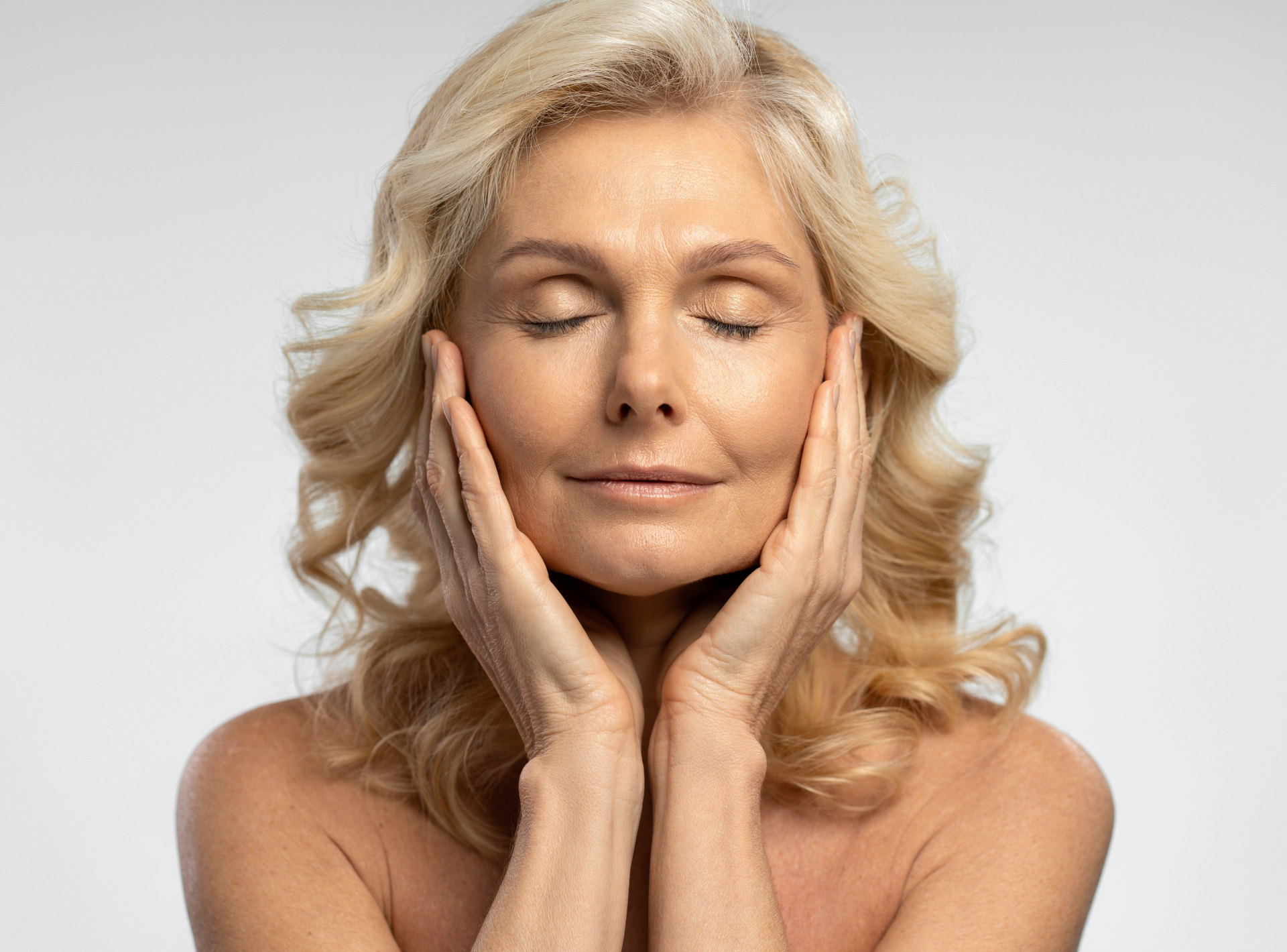
A question often asked by patients is “What is the expected recovery time for a facelift?” The gold standard therapy to repair the signs of facial aging is a rhytidectomy. It can also reduce the look of nasolabial folds, remove marionette lines, and enhance the angles of the neck and chin region. It also adds volume in the midface by resuspending facial muscles that have sagged over time. The recovery time of the facelift is longer than the recovery of facial injectables (Botox and facial fillers). This is understandable, since it is a potent treatment to accomplish facial renewal. The outcomes are more spectacular and longer lasting.
Facelift In Dubai
Facelift in Dubai is a surgical procedure designed to reduce visible signs of facial aging by lifting and repositioning deeper tissues, removing or redraping excess skin, and improving facial and jawline contours. It can address concerns such as sagging cheeks, jowls, loose skin, and reduced lower-face definition. The procedure is customized according to facial anatomy, skin quality, and aesthetic goals to maintain balanced, natural-looking proportions. Recovery commonly involves temporary swelling, bruising, tightness, and tenderness that gradually improve. A detailed consultation helps determine the appropriate facelift technique, expected recovery period, and realistic results for each patient.
Facelift recovery time depends on a few different time periods or post-operative phases:
Early Post-Operative Period
A facelift patient usually gets off prescription pain medication within a few days after surgery. After two to three days, switch to plain or extra-strength Tylenol to help reduce the chance of narcotic side effects. A few more evenings, some patients may find it helpful to take a pill before bed to help ensure a good night’s sleep.
Return To Everyday Life
The timeline will vary for each patient depending on the level of privacy they choose. Some people don’t mind if they have bruising or swelling during the recuperation from a facelift. Others are more discreet and want to be more fully recovered before starting errands and other activities. From a medical standpoint, you should be able to run short errands and walk around your neighborhood in short walks within a few days. If you want bruising and swelling to be less obvious, it may take up to two weeks or so until you feel more comfortable doing your usual activities. A facelift in the fall or winter may be simpler to mask because of thicker apparel and scarves that can cover up bruises and swelling. However, it is very important to protect fragile facial tissues from the cold weather, especially in the early stages of healing. Sensation is disturbed for a few months after a facelift, and blood circulation is disrupted, leaving the tissues more susceptible to frostbite harm. It is essential that you take good care of your face during the first stages of healing and shield it from severe weather conditions.
Return to Driving
When you are no longer on narcotic pain medication and feel your mobility is sufficient to turn accordingly, you can continue driving. This is often four to five days post-surgery.
Return to Work
Facelift recovery time related to returning to work also differs with each patient and employment duties. Medically, you can return to a desk job (no heavy lifting, no severe physical activity) in one week. “If you don’t want to see bruising and want the swelling to be less obvious, then I would recommend two weeks or more before returning to work.”
Return to Exercise
Facelifts normally require a recuperation time of about one month before resuming exercise. The limitation on your activity is to help reduce the risk of bleeding during recuperation from your facelift. Any action that raises your blood pressure or heart rate increases the risk of bleeding after a facelift. Refrain from exercise for one month and consult with your surgeon before resuming.
Patients sometimes worry about facelift recovery time before having surgery on the most prominent part of the body. Such a rough timeline can perhaps be useful for patients who are prepared for facelift surgery to make sure they are appropriately planning in terms of employment and other basic activities.
BOOK AN APPOINTMENT TODAY
Average Recovery Time Facelift
The average recovery time after a facelift varies depending on the surgical technique, extent of correction, and individual healing response. Most patients experience noticeable swelling, bruising, tightness, and tenderness during the first one to two weeks. Many people feel comfortable returning to normal social activities within two to three weeks. However, mild swelling and tissue firmness may continue improving for several months. Following postoperative instructions, protecting the incisions, and attending scheduled follow-up appointments are important for supporting proper healing and allowing the final facial contours to develop gradually and naturally.
Your First 24 Hours Of Facelift Recovery
The first 24 hours of facelift recovery are focused primarily on rest, comfort, and careful monitoring. Patients may experience facial tightness, swelling, bruising, numbness, or mild discomfort as the effects of anesthesia gradually wear off. Keeping the head elevated while resting can help manage swelling. Prescribed medications should be taken exactly as directed, and unnecessary facial movement should be minimized. Patients should have a responsible adult available for assistance after surgery. Carefully following postoperative instructions during this early period helps protect healing tissues and supports a smoother recovery process.
Stages Of Healing After Facelift
The stages of healing after a facelift occur gradually as the facial tissues settle into their new position. During the first week, swelling, bruising, tightness, and tenderness are typically most noticeable. During weeks two and three, these effects usually decrease, and patients often become more comfortable returning to everyday activities. Over the following several weeks, facial contours become softer and more natural-looking. Incisions also continue to mature and fade over several months. Regular follow-up appointments allow the surgeon to monitor progress and provide individualized recommendations throughout the complete healing process.
Swelling, Bruising, And Scarring After Facelift
Swelling, bruising, and temporary changes around the incisions are normal parts of facelift recovery. Swelling is commonly most noticeable during the first few days before gradually decreasing over the following weeks. Bruising also fades progressively as the tissues heal. Facelift incisions are generally positioned around natural facial contours and the hairline to make scars less noticeable once healed. Scar maturation can continue for several months and sometimes longer. Proper incision care, sun protection, and adherence to postoperative instructions can support healing and help scars become softer, flatter, and less visible over time.
Downtime For Desk Jobs After Facelift
Downtime for desk jobs after a facelift is commonly around one to two weeks, although recovery differs between patients. During the initial days, swelling, bruising, facial tightness, and fatigue may make adequate rest necessary. Patients whose jobs involve frequent meetings or direct interaction with clients may prefer additional recovery time until visible bruising and swelling have improved. Returning to work should depend on comfort level and the surgeon’s recommendations. Avoiding strenuous activity while gradually resuming normal routines helps protect healing tissues and supports a comfortable transition back to professional responsibilities.
Facelift Recovery Tips For Better And Faster Results
Good facelift recovery habits can support smoother healing and help protect the results of surgery. Patients should keep their head elevated while sleeping, follow incision-care instructions, take prescribed medications as directed, stay hydrated, and maintain nutritious meals. Gentle walking may support circulation, but strenuous exercise should be avoided until medically approved. Smoking, excessive alcohol, and prolonged sun exposure should also be avoided during healing. Attending all postoperative appointments allows recovery to be monitored properly. Consistently following the surgeon’s guidance helps facial tissues settle gradually and supports a refreshed, balanced, natural-looking outcome.
Facelift Recovery Dos And Don’ts
During facelift recovery, patients should prioritize rest, keep their head elevated, maintain clean incisions, take medications as prescribed, and attend every scheduled follow-up appointment. Gentle walking may be encouraged once appropriate to maintain circulation. Patients should avoid strenuous exercise, heavy lifting, smoking, excessive alcohol consumption, direct sun exposure, and unnecessary pressure or massage around healing facial tissues. Sleeping on the side or stomach should generally be avoided during early recovery unless medically approved. Following these dos and don’ts helps protect surgical tissues, minimize avoidable complications, and support smooth, natural-looking facelift results.
If you are interested in discussing whether facelift surgery could be a suitable method for addressing the signs of facial aging, please contact us.
MEET THE EXPERT DOCTOR
Best Plastic Surgeon In Dubai For Facelift
Best Plastic Surgeon in Dubai for a facelift offers personalized surgical solutions designed to improve sagging skin, jowls, loose facial tissues, and reduced jawline definition while maintaining natural facial proportions. Dr. Perfect Celebrity carefully evaluates facial structure, skin quality, aging patterns, and individual aesthetic goals before recommending a suitable facelift technique. At Perfect Doctors Clinic, treatment planning focuses on creating smoother contours, better facial definition, and a refreshed, youthful-looking appearance without an overly tightened result. Patients also receive detailed preparation instructions, personalized postoperative care, and follow-up guidance to support comfortable healing. The goal is to achieve balanced, refined, and natural-looking facelift results tailored to each patient’s unique facial features.