





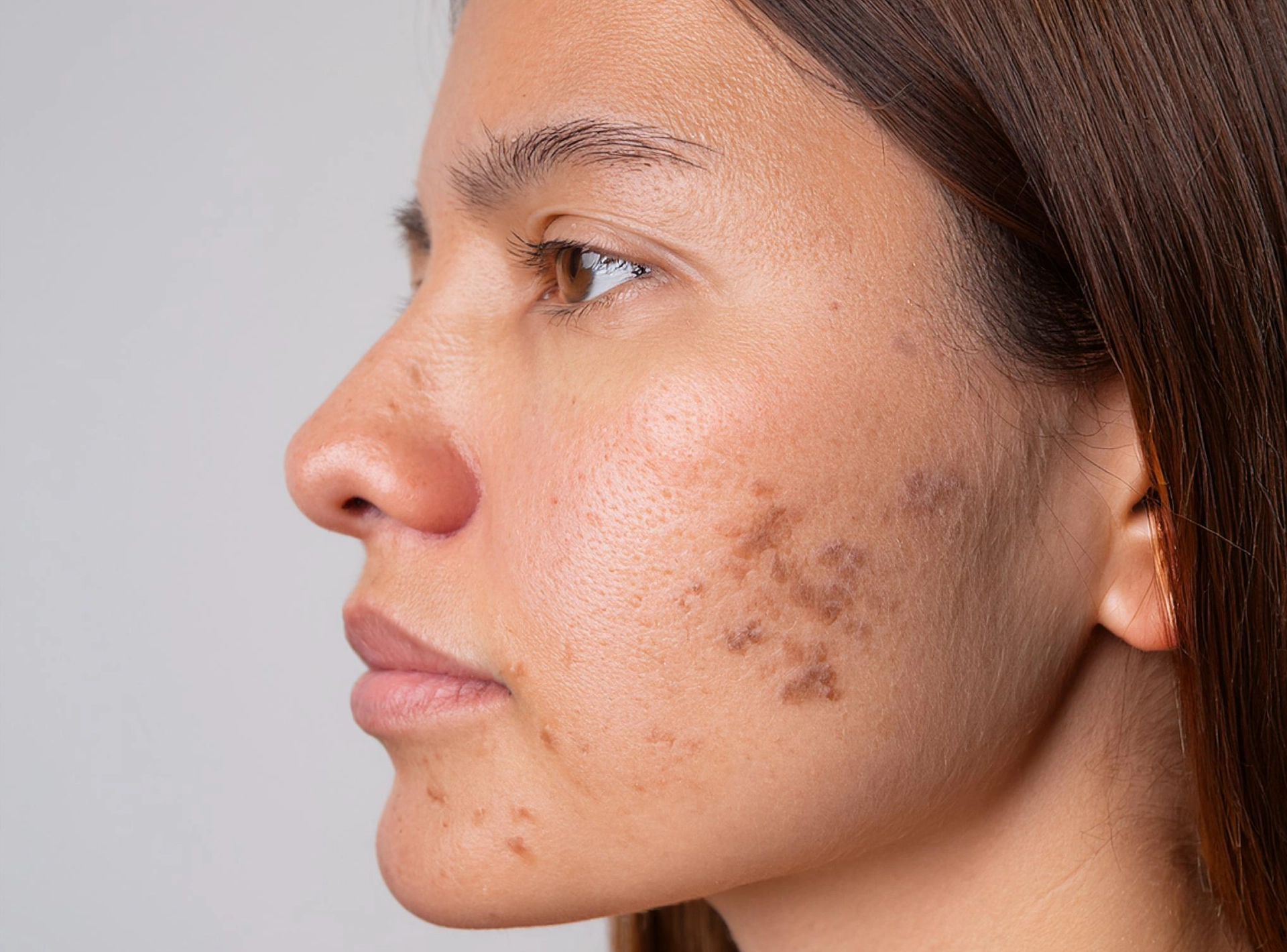
Melasma, also known as Chloasma faciei, is a skin disorder that causes dark or tan skin. Although the condition can affect anyone, it usually affects women, especially those who are pregnant, taking hormone replacement therapy, or using a patch or oral contraceptives.
Melasma Treatment In Dubai
Melasma treatment in Dubai is a targeted dermatological approach aimed at reducing dark patches and uneven skin tone caused by excess melanin production. It involves a combination of medical-grade topical therapies, chemical peels, laser and light-based treatments, and advanced skin rejuvenation procedures to control pigmentation and improve skin clarity.
What Are the Symptoms?
Usually found on the nose, lips, upper cheeks, and forehead, this condition manifests as irregular, dark, hyperpigmented patches or sections of skin. Over time, the patches will frequently appear gradually. The condition is only thought to be a cosmetic issue and won’t cause any other symptoms. Melasma is common in premenopausal women and is thought to be caused by an excess of certain hormones.
Common Causes
This disorder is thought to arise when melanocytes, which are cells that produce pigment, start overproducing melanin as a result of exposure to sunlight. Melasma is more common in females with darker skin tones who reside in high-sun areas. A person’s risk of developing melasma is also increased if there is a family history of the condition.
This condition is also more likely to develop in people who already have thyroid disease. Melasma is thought to develop as a result of stress-induced overproduction of melanocyte-stimulating hormone. Allergies to medications and cosmetics are additional factors.
Prevention Tips
Melasma can be avoided by wearing sunscreen and avoiding direct sunlight. One known cause of the condition is the use of oral contraceptives, especially in women who do not have a genetic predisposition to it. Those who develop the condition after taking contraceptive pills are advised to refrain from using them in the future.
BOOK AN APPOINTMENT TODAY
Treatment Options
After giving birth, stopping hormone replacement therapy, or stopping the use of contraceptives, the discoloration brought on by melasma usually goes away on its own in a few months.
If sun exposure is not avoided, treatments for this condition typically only produce short-term effects. Combining hydroquinone cream, retinoids, and laser treatments with avoiding estrogen and sun exposure is the most effective way to treat melasma. When treating melasma, hydroquinone, a topical bleaching agent, is frequently used in combination with IPL. Vitamin A derivatives called retinoids aid in lowering the activity of melanocytes, which produce darker skin pigments. Additionally, they make it easier for other topical medications to penetrate the skin.
Where Does Melasma Most Commonly Occur?
Melasma most frequently manifests on the cheeks, nose, chin, area above the upper lip, and forehead. It occasionally impacts the arms, neck, and back. Indeed, melasma can impact any area of your skin that is exposed to sunlight. That is why the majority of individuals with melasma observe an exacerbation of their symptoms during the summer months.
How Common Is Melasma?
Melasma is a prevalent dermatological condition, particularly among pregnant women. Between 14% and 49% of pregnant women are affected by it. Between 1.4% and 32% of the population may develop melasma, which occurs more frequently during a woman’s reproductive years and infrequently during puberty. It typically begins between the ages of 19 and 39 years.
Who Is At Risk Of Melasma?
Individuals with lighter skin are less susceptible to melasma compared to those with darker brown skin or individuals who tan easily. Women have a higher prevalence of melasma compared to men: approximately 9% of individuals affected are men, while 89% are women. Pregnant women are more frequently affected by melasma than any other group. You are also at risk if you use oral contraceptives and hormone therapies.
What Happens In The Skin?
Your skin consists of three distinct layers. The outermost layer is the epidermis, the middle layer is the dermis, and the innermost layer is the subcutis. It is an organ—the largest organ—and accounts for approximately one-seventh of your body weight. Your skin serves as your protective barrier. It safeguards your bones, muscles, organs, and all other tissues from cold, pathogens, sunlight, moisture, toxic substances, injury, and various other threats. It also aids in maintaining your body temperature, preventing dehydration, and experiencing sensations such as the warmth of a stove, the fur on your dog’s belly, and the pressure of another person’s hand holding yours.
Your epidermis comprises cells known as melanocytes that synthesize and store a pigment called melanin, responsible for its dark coloration. In response to light, heat, ultraviolet radiation, or hormonal stimulation, melanocytes increase melanin production, which accounts for the darkening of the skin.
Why Do Women Get Melasma When They’re Pregnant?
Pregnant women exhibit elevated levels of the hormones estrogen and progesterone. These hormones are believed to play a role in the development of your melasma. The darker pigmentation typically diminishes following pregnancy.
What Are The Types Of Melasma?
There are three classifications of melasma, distinguished by the depth of the pigmentation. A Wood’s lamp emitting ultraviolet light may be employed to assess the depth of the pigment. The three categories are:
- Epidermal: Epidermal melasma exhibits a dark brown pigmentation, a clearly defined border, is distinctly visible under black light, and may occasionally respond effectively to treatment.
- Dermal: Dermal melasma exhibits a pale brown or bluish hue, with indistinct borders, remains indistinguishable under black light, and demonstrates limited responsiveness to treatment.
- Mixed melasma: Mixed melasma, the most prevalent of the three types, exhibits both bluish and brown patches, presents a mixed pattern under ultraviolet light, and demonstrates some responsiveness to treatment.
Is Melasma Cancerous?
Melasma is not malignant, indicative of cancer, or a dermatological condition that eventually progresses into cancer. Nonetheless, certain skin cancers can resemble melasma, making it advisable to consult a dermatologist for an accurate diagnosis.
Is Melasma Permanent?
Melasma is generally a persistent condition. This indicates that it is durable for a duration of three months or longer. Some individuals experience melasma for many years or throughout their entire lives. Others may experience melasma for only a brief period, such as during pregnancy.
MEET THE EXPERT DOCTOR
Is Melasma Painful?
Melasma is a benign condition. It is neither painful, itchy, nor uncomfortable in any manner.
Is There A Cure For Melasma?
Treatment for melasma is challenging. Your healthcare provider must first identify the potential cause of your melasma before deciding on a course of treatment. Is there sunlight? Your contraceptive method? Genetics? Your soap? Overuse of screens?
Melasma may be permanent, disappear on its own, or improve with treatment in a matter of months, depending on the individual. The majority of melasma cases will eventually go away, especially if they are adequately shielded from the sun and other light sources.
Unfortunately, there isn’t a cure that will make melasma go away on its own. Dermal pigment cannot currently be removed.
If you have melasma, stay away from:
- Hormone therapies, particularly those involving estrogen.
- Birth control, more especially estrogen and progesterone-containing oral contraceptive pills.
- LED light from your tablet, laptop, phone, and TV.
- Cosmetics that irritate your skin.
- Drugs that can either cause or exacerbate melasma.
- Soaps with scents.
- Products for skin care that cause irritation.
- Tanning beds.
- Waxing may make the melasma worse.
How Is Melasma Treated? What Medicines Help?
Making sure your melasma doesn’t worsen is the first step in starting treatment. Avoid the sun, tanning beds, LED screens, irritating soaps, and hormone-containing birth control to achieve this. Wear a wide-brimmed hat and sunscreen with iron oxides and an SPF of 35 to 45 every two hours if you are exposed to the sun. By taking these actions, you might be able to stop your melasma from getting worse.
Topical medications are the second option. By halting the production of melanin (the dark color), topical therapy employing tyrosinase inhibitors stops the formation of new pigments. Tyrosinase inhibitors and other beneficial substances include, for example:
- Azelaic acid: Use this gel, lotion, or cream twice a day. Pregnant women can use it without risk.
- Cysteamine: Compared to a placebo, cysteamine cream proved to be more effective in a small study involving 49 participants.
- Hydrocortisone (a topical corticosteroid): One topical corticosteroid that helps lighten the color of melasma is hydrocortisone. Additionally, it can reduce the chance of dermatitis brought on by other substances.
- Hydroquinone: This drug is applied topically as a lotion or cream. For two to four months, it applies directly to the melasma patches at night.
- Methimazole: Methimazole is an oral tablet or cream that acts as an antithyroid. Melasma that is resistant to hydroquinone is known to benefit from it.
- Soybean extract: It is believed that soybean extract lessens the color transfer from melanocytes to skin cells.
- Topical alpha hydroxy acid: Pigments on the skin can be removed. Surface skin is removed with this cream or chemical peel.
- Tranexamic acid: It is available as an oral drug, cream, or injection.
- Tretinoin: It is a topical retinoid that is prescribed. Although it works well, it shouldn’t be used while pregnant because it can cause dermatitis.
The most effective treatment for melasma has been a combination of hydroquinone, tretinoin, and a mild topical steroid.
Other substances being researched to treat melasma include:
- Absorbic acid (vitamin C).
- Arbutin.
- Deoxyarbutin.
- Glutathione.
- Kojic acid or kojic acid dipalmitate.
- Licorice extract.
- Mequinol.
- Resveratrol.
- Runicol.
- Zinc sulfate.
Best Aesthetic Clinic In Dubai For Melasma Treatment
Best Aesthetic Clinic in Dubai for melasma treatment offers advanced, personalized solutions designed to effectively reduce pigmentation and even out skin tone using the latest dermatological technologies. At Perfect Doctors Clinic, experienced skin specialists assess your unique melasma pattern and skin type to create customized treatment plans, incorporating options such as medical-grade chemical peels, laser therapy, microneedling, and topical depigmenting agents.
Consult the Experts
We provide a range of melasma treatment options at Perfect Doctors Clinic in Dubai. Dr. Perfect Celebrity can develop a personalized treatment plan for you during a consultation. Serving Dubai and the surrounding areas is something we are proud to do. Make an appointment by getting in touch with our office right now.