





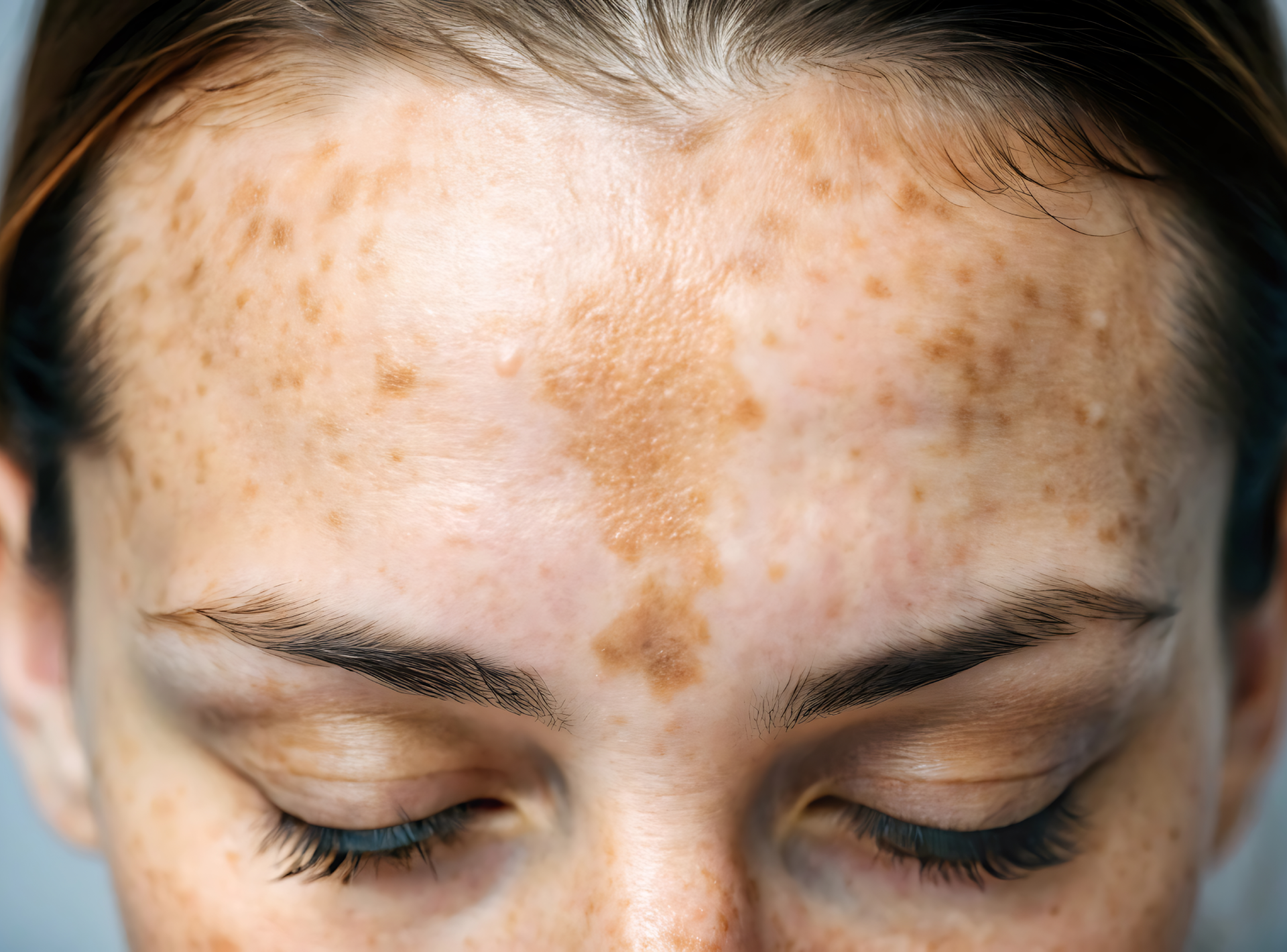
We have good news if you have battled melasma on your skin. This unpleasant condition has an effective remedy. It’s probably common knowledge that many people today have to cope with this issue due to an increase in the sun’s UV rays, but there are other contributing factors as well. Regardless of the cause of your melasma, it doesn’t have to persist forever. If you don’t receive the right care, the problem is very difficult to resolve. Which Melasma Treatment Is Best in Dubai, Abu Dhabi, and Jumeirah?
Melasma Treatment In Dubai
Melasma Treatment in Dubai emphasizes diminishing pigmentation and preventing its recurrence through the utilization of advanced aesthetic modalities. The most efficacious treatments comprise medical-grade topical agents, chemical peels, laser therapies, and energy-based devices that specifically target excess melanin while preserving the integrity of the surrounding skin. Hormones, sun exposure, and genetic factors influence melasma, leading to customized treatment strategies based on skin type and severity. Consistent sun protection and appropriate skincare are essential for preserving results. Utilizing advanced dermatological technologies and customized protocols, patients can attain visibly brighter, clearer, and more evenly toned skin in a safe and effective manner.
About the Disease:
This common skin condition manifests as a brown or gray discoloration on the skin. It usually affects the face, but it can also affect other body parts. Among the typical locations are:
- The nasal septum of the forehead.
- The region above the upper lip.
- Cheeks and chin.
- Shoulders.
- Neck.
- Forearms.
It may happen as a result of the body’s melanocytes malfunctioning. They can appear in a range of colors, including browns and grayish browns, and they can overproduce brown pigments in the affected area.
What Is The Most Effective Treatment For Melasma?
Pregnancy or extended sun exposure can cause this disease, which is prevalent in women over 29. Which Melasma Treatment Is the Most Effective for Those Affected?
Chemical Peel: The treatment’s peel deeply penetrates the skin’s central pigment. Your dermatologist can choose the best skin type for you. Reducing hyperpigmentation and balancing the skin tone of the face are the goals of the procedure.
Your dermatologist develops the product gradually and stores it for a considerable amount of time. This gentle and efficient treatment regimen greatly reduces the chance of repigmentation.
The procedure has the advantage of making your skin smoother and more radiant and having a smoother texture. Upon returning from vacation, the face is radiant and exudes freshness.
How Is The Problem Diagnosed?
Our dermatologist evaluates the state of your skin, determines a clinical diagnosis, and recommends the appropriate course of treatment during the initial medical and diagnostic consultation.
By using a specialized tool, it is possible to identify the disease type first and avoid performing a histological examination if a diagnosis is unclear.
How Does The Treatment Take Place?
Peeling is done by a dermatologist on the day of the procedure. One or more exfoliating agents, either liquid or in the form of a mask, are applied to the skin after it has been prepped for the procedure. The skin is then treated with local regenerating preparations. The duration of the session is between thirty and forty minutes.
Through the process, you can remove damaged dermal and epidermal tissue and replace it with renewed, age-spot-free skin. To get the desired result, one to three peeling sessions might be necessary. The type of melasma determines the time between treatments.
How Does The Aftercare Take Place?
It is advised to moisturize the skin, use serums, and consistently shield it from the sun to achieve the best results and maintain a radiant and even skin tone.
You can resume work right away following the procedure because there is no need for a rehabilitation period. Thereafter, you must have routine examinations. Four to six weeks separate the two sessions.
Makeup and sunscreens that are easy to remove with minimal rubbing are essential. To prevent microtrauma to the skin, which can result in the reappearance of melasma spots, remove makeup as gently as possible each day. Scrubs and other self-treatment products should be avoided.
BOOK AN APPOINTMENT TODAY
What Results Can You Achieve?
Depending on the severity of the issue and the skin area, you can lighten age spots in three to twelve months after receiving the Most Effective Melasma Treatment in Dubai, Abu Dhabi, and Jumeirah. The patient’s behavior, how often he uses sunscreen, and his careful selection of cosmetics all play a major role in how long the effect lasts after the pigment has been removed.
What Causes Melasma?
There are two primary causes of melasma: exposure to radiation, including ultraviolet, visible, and infrared (heat) light; and hormonal factors.
Ultraviolet and infrared radiation from the sun play a significant role in exacerbating melasma. Additional potential causes of melasma include:
- Antiseizure medications: Pharmacological agents that inhibit seizure activity may serve as a contributing factor to melasma.
- Contraceptive therapy (birth control): Melasma has been documented in individuals utilizing oral contraceptive pills containing estrogen and progesterone.
- Estrogen/Diethylstilbestrol: Diethylstilbestrol is a synthetic (artificially manufactured) variant of the hormone estrogen. It is frequently employed in the treatment of prostate cancer. Once again, there is a discernible correlation between elevated estrogen levels and the occurrence of melasma.
- Genetics: Approximately 35% to 49% of individuals with melasma have reported that a family member also exhibits the condition. Most identical twins both exhibit melasma.
- Hypothyroidism: A condition characterized by an underactive thyroid gland.
- LED Screens: Melasma may be attributed to the LED illumination emitted by your television, laptop, mobile phone, and tablet.
- Pregnancy: The precise cause of the phenomenon known as the “mask of pregnancy” remains uncertain in pregnant women. However, experts hypothesize that the elevated levels of estrogen, progesterone, and melanocyte-stimulating hormones during the third trimester of pregnancy contribute to this phenomenon.
- Hormones: The role of hormones, particularly estrogen and progesterone, may contribute to the health of certain individuals. Postmenopausal women are occasionally administered progesterone and have been observed to develop melasma. If you are not pregnant, it is probable that your melasma lesions exhibit increased levels of estrogen receptors.
- Makeup (cosmetics): Certain cosmetic products may induce a phenomenon known as a phototoxic reaction.
- Phototoxic medications (drugs that increase sensitivity to sunlight): These encompass certain antibiotics, nonsteroidal anti-inflammatory drugs (NSAIDs), diuretics, retinoids, hypoglycemic agents, antipsychotics, targeted therapies, and various other medications.
- Skincare products: A product that generally irritates the skin is likely to exacerbate your melasma.
- Soaps: Certain fragranced soaps are believed to induce or potentially exacerbate melasma.
- Tanning beds: The ultraviolet light emitted by tanning beds inflicts skin damage comparable to, or potentially greater than, that caused by sunlight.
What Are The Signs Of Melasma?
Melasma results in the formation of light brown, dark brown, and bluish patches or freckle-like spots on the skin. Occasionally, the patches may develop redness or become inflamed. Melasma manifests in six specific areas or a combination of these regions on the skin:
- Brachial: The melasma manifests on the shoulders and upper arms.
- Centrofacial: The melasma manifests on the forehead, cheeks, nose, and upper lip.
- Lateral cheek pattern: The melasma manifests on both cheeks.
- Malar: The melasma manifests on the cheeks and nose.
- Mandibular: The melasma manifests along the jawline.
- Neck: In individuals aged 48 years or older, melasma may manifest on all surfaces of the neck.
Your doctor will determine definitively whether you have melasma or another form of skin condition.
What Can I Expect If I’ve Been Diagnosed With Melasma?
Melasma is a benign dermatological condition. It does not cause itching or pain, nor does it become malignant. Anticipate that the condition may worsen or recur if appropriate measures are not taken, such as avoiding sun exposure and refraining from using cosmetics or soaps that irritate the skin.
Can Melasma Be Prevented?
Regrettably, it is not possible to evade genetics or halt the skin condition during pregnancy. However, it’s possible to avoid the factors mentioned above that exacerbate melasma. Currently, no medication can entirely prevent melasma. Nevertheless, a skin-friendly diet that includes sufficient levels of vitamin D is likely to be beneficial.
MEET THE EXPERT DOCTOR
Best Aesthetic Clinic In Dubai For Melasma Treatment
Best Aesthetic Clinic in Dubai for Melasma Treatment is Perfect Doctors Clinic, where Dr. Perfect Celebrity offers personalized, evidence-based treatments for the effective management of persistent pigmentation. The clinic takes a detailed approach by finding out the main causes, like hormonal issues, sun exposure, and skin sensitivity, before starting treatment. The clinic carefully selects advanced treatment options like targeted laser therapy, personalized chemical peels, and dermatologist-recommended creams to help prevent melasma from coming back and to keep the skin healthy. Each patient undergoes a comprehensive consultation and a thorough skin analysis and receives guidance on long-term maintenance to ensure consistent outcomes. Perfect Doctors Clinic offers effective melasma treatment that improves skin clarity and confidence, all while prioritizing safety, accuracy, and patient education, thanks to the expertise of experienced professionals.
Takeaway:
Perfect Doctors Clinic has been treating skin conditions for many years. The clinic provides a wide range of customized procedures meant to address patients’ particular issues. Working with representatives of various skin colors and types has given our dermatologists and medical staff extensive experience in treating patients with all skin types, including complex ones.