





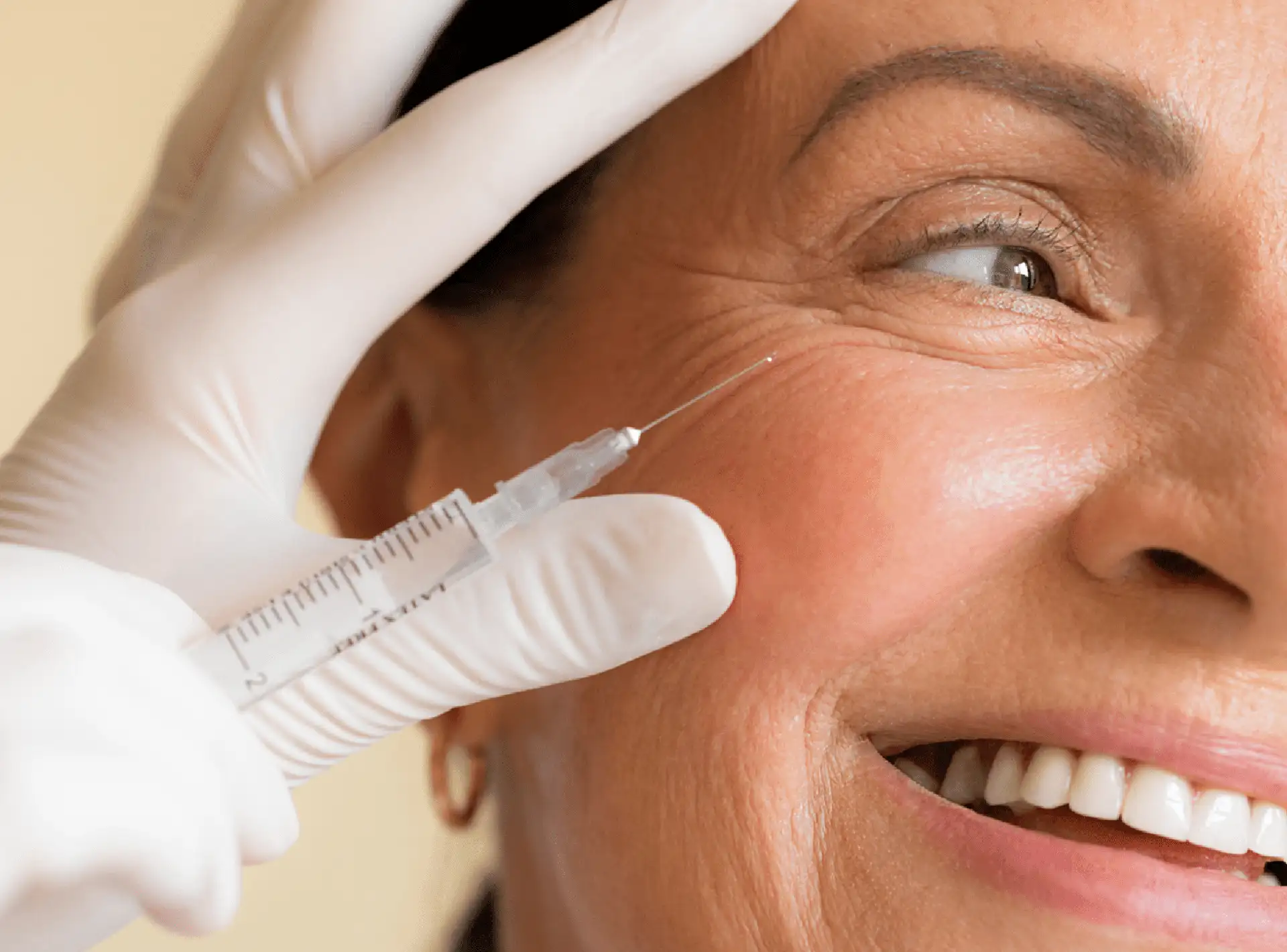
Botox is a popular cosmetic procedure that can help you look smoother and younger. Before beginning treatment, it’s crucial to understand the possible side effects, just like with any other cosmetic procedure. Despite being generally safe and well-tolerated, Botox can cause some common side effects, including flu-like symptoms, mild headaches, temporary pain, swelling, and bruising at the injection sites. Heavy eyelids are one potential side effect that you may have heard of, which is understandably concerning. We’ll explore the causes of heavy eyelids in this blog post, along with practical advice on how to avoid them and what to do when they do occur.
Botox In Dubai
Botox in Dubai is an effective non-surgical treatment to lift and rejuvenate the upper eyelids. This procedure works by relaxing specific muscles around the eyes, which helps reduce the appearance of sagging and creates a more alert, youthful look. At Perfect Doctors Clinic, Botox treatments are tailored to each patient’s facial anatomy to ensure natural and balanced results. Botox for droopy eyelid in Dubai at Perfect Doctors Clinic is performed by Dr. Perfect Celebrity, a highly skilled aesthetic physician with expertise in advanced Botox techniques. The treatment is minimally invasive, requires little to no downtime, and delivers noticeable results within days, making it a preferred choice for both women and men seeking safe eyelid correction.
What Causes Heavy Eyelids After Botox?
There are two main causes of heavy eyelids following Botox. The first results from the frontalis, or forehead, muscle relaxing. More precisely, some people actually lift the upper part of their eyelids with their frontalis (imagine using the forehead muscle to apply makeup). This client may also notice that the skin above their eyelid feels heavy if they receive an especially high dose in their forehead and are unable to raise their eyebrows. Ptosis is the term for the second explanation. Ptosis occurs when botox unintentionally relaxes the levator palpebrae or the upper part of the orbicularis oculi.
How To Minimize The Risk Of Getting Droopy Eyelids?
Read on to learn how to reduce the likelihood of heavy eyelids following Botox:
- Examine your injector: True ptosis or heavy eyelids are less likely to be unintentionally caused by injectors who specialize in Botox Cosmetic treatments and have an understanding of anatomy.
- Start with a Lower Dose: The risk of heavy eyelids can be decreased by beginning with a lower dose of Botox. A lower dose enables the injector to monitor your body’s response to the treatment and modify the dosage as necessary.
- Avoid Rubbing the Area: Rubbing the injection site increases the chance of heavy eyelids because it can cause the Botox to spread to surrounding muscles. For at least 1 day following the procedure, refrain from massaging the affected area.
- Observe Post-Treatment Instructions: In order to reduce the possibility of adverse effects, it is crucial that you adhere to the post-treatment instructions that your healthcare provider has given you. This involves staying away from intense exercise. For four hours following their Botox injections, all of our clients at Perfect Doctors Clinic are advised to avoid wearing tight hats, helmets, getting a massage or facial, and dozing off on their faces.
If I Do Get Heavy Eyelids, How Long Will It Last?
Don’t worry if you have drooping eyelids after getting Botox! This can still occur even if you had a low dose or used a skilled injector. It’s crucial to keep in mind that the feeling of heaviness in your eyelids will progressively get better every two weeks until it completely returns to normal.
In order to prevent heavy eyelids as much as possible, our providers at Perfect Doctors Clinic go above and beyond. It’s crucial to recognize that this could be a risk when receiving neurotoxin treatment, particularly if it’s your first time and your muscles are particularly sensitive to Botox. Our treatment strategies are based on avoiding this phenomenon, even though it can occur with low doses. The risk of heavy eyelids following Botox can be reduced by starting with a lower dose, not rubbing the area, and adhering to post-treatment instructions.
We are available to answer any questions you may have regarding possible neurotoxin side effects. For more information, schedule a New Client Consultation or give us a call. We are pleased to assist you with the process and respond to any queries you may have.
BOOK AN APPOINTMENT TODAY
FAQs
What Causes Heavy Eyelids After Botox?
Heavy eyelids, also known as ptosis, can occur if Botox spreads to the muscles that lift your eyelids. This is usually a result of improper injection technique, incorrect placement, or using too much Botox in the upper face area. Individual anatomy and muscle strength can also make some patients more prone to this temporary side effect.
How Common Is Heavy Eyelid After Botox?
Heavy eyelids are relatively rare when Botox is administered by a skilled and experienced practitioner. Studies suggest that ptosis occurs in less than 5% of cosmetic Botox cases. The risk is higher if injections are placed too close to the eyebrows or eyelids.
How Long Does Botox-Induced Eyelid Heaviness Last?
Eyelid heaviness from Botox is usually temporary. It can last from a few days to 2–6 weeks, depending on the dose, location of injection, and how quickly your body metabolizes the toxin. In most cases, it resolves on its own without any intervention.
Can Anything Be Done To Fix Heavy Eyelids From Botox?
Yes. In some cases, an ophthalmologist or experienced aesthetic doctor can prescribe temporary eye drops, such as apraclonidine, to lift the eyelid slightly while the Botox effect wears off. Gentle eyelid exercises and avoiding rubbing the area may also help. The key is to consult your doctor immediately rather than trying to self-treat.
Should I Be Worried If My Eyelids Feel Heavy After Botox?
While it can be alarming, eyelid heaviness is generally not dangerous. However, if it is accompanied by severe vision problems, double vision, or difficulty closing your eyes, you should seek immediate medical attention. Most cases are mild and resolve naturally.
How Can Heavy Eyelids After Botox Be Prevented?
Prevention is best achieved by choosing an experienced practitioner like Dr. Perfect Celebrity at Perfect Doctors Clinic. Proper injection technique, accurate dosage, and precise placement of Botox can significantly reduce the risk. Additionally, patients should follow pre- and post-treatment instructions carefully, including avoiding rubbing or massaging treated areas.
Can Botox-Induced Eyelid Heaviness Affect Both Eyes?
Typically, ptosis affects the eyelid closest to the injection site. It is rare for both eyelids to become heavy, but it can happen if Botox spreads unusually. Careful assessment of your facial anatomy and injection technique reduces this risk.
Will My Botox Results Be Ruined If I Experience Eyelid Heaviness?
Not necessarily. While eyelid heaviness may temporarily alter your appearance, the effect is temporary. Once the Botox wears off, your eyelids should return to normal. Future treatments can be adjusted to prevent recurrence.
How Soon Should I Contact My Doctor About Heavy Eyelids?
If you notice any eyelid drooping after Botox, contact your doctor as soon as possible. Early consultation allows your practitioner to recommend supportive treatments or temporary solutions to ease the effect.
Can Heavy Eyelids Happen Even With A Highly Skilled Doctor?
While rare, it can happen due to individual variations in anatomy or unexpected diffusion of the Botox. Choosing an expert injector like Dr. Perfect Celebrity at Perfect Doctors Clinic, who has extensive experience in facial aesthetics, minimizes this risk significantly.
Is There Any Home Remedy For Botox-Related Eyelid Heaviness?
Home remedies cannot correct Botox-induced ptosis. Avoid trying to massage or manipulate your eyelids, as this can worsen the effect. Professional guidance is essential for safe and effective management.
Can I Get Botox Again After Experiencing Heavy Eyelids?
Yes, but your next treatment should be adjusted. Your doctor may use a lower dose or change injection points to prevent recurrence. Proper consultation and planning ensure safe, natural-looking results in future sessions.
MEET THE EXPERT DOCTOR
Best Aesthetic Clinic In Dubai For Botox
Best Aesthetic Clinic in Dubai for Botox is Perfect Doctors Clinic, renowned for precision, safety, and exceptional results. The clinic uses the latest Botox techniques to lift and rejuvenate the eyelid area while maintaining a natural appearance. Patients receive personalized treatment plans to address their unique needs. Best aesthetic clinic in Dubai for Botox for droopy eyelids is led by Dr. Perfect Celebrity, an expert in facial aesthetics. With extensive experience and artistic skill, Dr. Perfect Celebrity ensures that each Botox treatment corrects droopy eyelids effectively and subtly. Perfect Doctors Clinic remains the trusted destination in Dubai for advanced, natural-looking eyelid enhancement.
Conclusion
Botox is a safe and effective treatment when performed correctly, but like any cosmetic procedure, it can have temporary side effects such as heavy eyelids. Understanding why this happens and knowing what to do can help reduce worry and ensure proper management. In most cases, eyelid heaviness resolves on its own with time, especially when handled under professional guidance. At Perfect Doctors Clinic, Botox treatments are performed with precision and care by Dr. Perfect Celebrity. Each treatment plan is customized to suit individual facial anatomy, which helps minimize risks and achieve natural-looking results. Choosing an experienced aesthetic expert and a trusted clinic plays a key role in preventing complications and ensuring a smooth, satisfying Botox experience.