





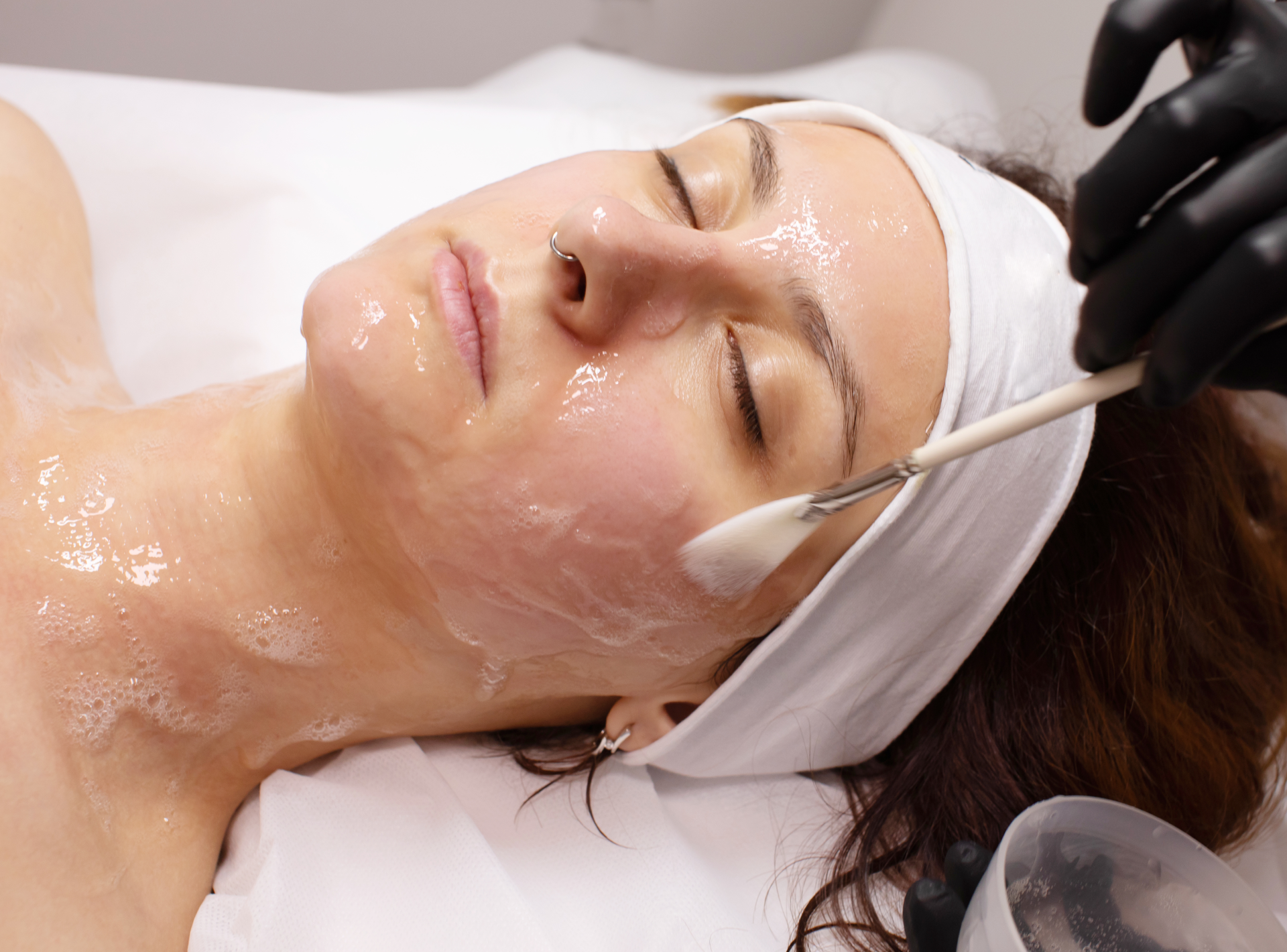
Simply put, one of the most frequent queries I get from patients thinking about getting a chemical peel is, “What will my skin actually look like while it heals?”
It’s a reasonable and crucial issue, particularly if you’re organizing a peel prior to a significant event and need to know how much downtime to anticipate. In actuality, chemical peel recovery appears more dramatic than it actually is, and it is much easier to complete the procedure if you know what to expect at each step.
You may remember my patient Hallie Abrams as The Wardrobe Consultant. She recently came to my office for a personalized TCA chemical peel to get her skin ready for her son’s wedding. She kindly wrote down every day of her rehabilitation so I could share it with you here. This is what a true TCA peel healing looks like, day by day and without any filters.
Chemical Peel In Dubai
Chemical Peel in Dubai is a popular skin treatment designed to improve texture, tone, and overall skin clarity by removing damaged outer layers. Understanding what to expect after the procedure helps patients manage recovery effectively and achieve the best results. On day one, the skin may appear slightly red and feel tight, similar to a mild sunburn. By day two or three, light peeling or flaking begins as the old skin starts shedding. During this phase, it is important to keep the skin moisturized and avoid picking or peeling manually. Around day four to five, peeling becomes more noticeable, revealing fresher and smoother skin underneath. By the end of the first week, most of the peeling subsides, and the skin looks brighter and more even. Proper aftercare, including sunscreen use and gentle skincare, is essential throughout the recovery period to protect the new skin and maintain long-lasting results.
What Is A TCA Chemical Peel?
Trichloroacetic acid is referred to as TCA. It’s a chemical solution that, over a few days, causes the skin’s outer layers to peel off. Smoother, more even, and healthier-looking skin appears beneath the damaged skin as it sheds.
For many of my patients, the TCA peel I did on the patient falls in the sweet spot between mild and moderate depth. It doesn’t require the prolonged downtime of a deeper peel, yet it is potent enough to provide genuine, noticeable improvement in fine lines, enlarged pores, uneven texture, and skin tone. Additionally, it is safe for a variety of skin tones, making it a flexible choice.
A TCA peel is frequently the next step up if you’ve previously had a light peel, such as an alpha hydroxyl or glycolic superficial peel, and thought that it didn’t quite do enough.
What Happens During The Peel
I use acetone to properly clean the skin before applying the peel. This is not your normal purification. In order for the TCA solution to uniformly and successfully permeate the skin, the acetone eliminates all oils from the skin’s surface. Although it’s a straightforward process, it significantly improves the peel’s consistency.
After that, the face is treated with the TCA solution. For a few minutes, patients usually experience a heated, stinging feeling. You leave for home the same day after the brief appointment, which typically lasts around half an hour.
This is when the actual question arises: what will happen next?
Day-by-Day Recovery: What The Patient’s Healing Looked Like
Depending on their skin type, the depth of the peel, and their body’s reaction, each patient heals slightly differently. However, the patient’s experience is a pretty typical recovery timeframe for this kind of TCA peel, and you can see each step honestly in her images.
24 Hours: The Peeling Begins
The majority of patients are surprised by this stage. The patient’s skin was clearly peeling a day after the peel. Particularly on her cheeks, forehead, and neck, you can see the thin, translucent sheets of skin beginning to split. The skin feels dry and seems taut. This is entirely typical. Now that the TCA has done its job, the damaged skin’s outer layer is beginning to come off.
The most crucial thing at this point is to keep your skin hydrated and avoid picking or tugging at the peeling skin. Let it fall off by itself.
Day 2-4: Peak Peeling/Active Shedding
Day 2 is usually the most dramatic-looking day, and the patient’s pictures demonstrate this. The skin appears to be sheeting off in larger sections throughout the entire face due to the extensive peeling. If you’re not expecting it, it may seem concerning, but it’s actually an indication that the peel is functioning perfectly.
The majority of patients opt to remain at home on this day. The patient wore a hoodie, didn’t wear makeup, and let her skin do its thing to stay warm. Beneath the peeling layers, the skin is fresh and rosy. Keep moisturizing liberally and resist the urge to speed up the peeling process.
Day 6-7: Transitioning
By day six, the skin is transitioning into a new phase and the sheeting peel is almost finished. The translucent peeling is largely finished, but the skin has an uneven, mottled appearance and is quite pink. While some spots are already displaying the new pink skin underneath, others are darker where the skin is still shedding at varying rates.
Today is a day of transition. The skin may appear rough or patchy and feel constricted. This is only a temporary situation. If you’re heading outside for any reason, remember to apply moisturizer and SPF.
Day 7: New Skin Emerging
The difference is noticeable by day seven. Compared to only a few days ago, The patient’s skin is noticeably smoother and more even. The skin has a fresh, healthy appearance overall, while there are a few minor spots that are still finishing up (you can see a patch around the forehead). The tone is more even throughout, the texture is more polished, and the pores appear tighter.
At this stage, the majority of patients feel safe going out in public once more, and light mineral makeup can typically be worn if desired. As the skin heals completely and new collagen synthesis begins, it will continue to get better over the next few days and weeks.
How Chemical Peel Recovery Differs By Depth: The Patient’s Periorbital Peel
The recovery from the TCA peel you just witnessed is, in my opinion, a relatively manageable healing process; after a few days of noticeable peeling and some pinkness, you can resume your regular activities. However, it’s crucial to realize that healing from chemical peels varies. The appearance of healing is greatly influenced by the depth and location of the peel.
To demonstrate this, I would like to discuss The patient’s recuperation from an alternative procedure he underwent in my office in October 2025: a deeper periorbital Hetter chemical peel around her eyes in addition to an upper blepharoplasty (eyelid surgery). Because the sensitive skin around the eyes benefits from a more focused, intensive treatment to address fine wrinkles, crepiness, and texture, the peel applied there was deeper than the TCA peel applied to the rest of her face.
You’ll notice that the recuperation appears very different.
24 Hours: Immediately Post-Procedure
On the first day, the entire eye region—from the brow bone down across the cheeks—is noticeably red and raw. The chemical peel that was applied to the forehead is also causing the skin there to peel. The combined results of the deeper peel and the blepharoplasty incisions are visible in the eye area itself. This stage appears to be the most intensive, which is to be expected.
Days 1–2: Peak Bruising And Swelling
For periorbital operations, day one and three are usually the most dramatic. As the body’s natural healing process takes over, the patient’s images reveal severe bruising and swelling around both eyes, with rich purples, reds, and yellows. In certain places, the skin surrounding the eyes seems weepy and rough, which is typical for a deeper peel in this area. Additionally, the forehead is still peeling and pink.
Patients want the greatest assurance at this point because it appears much worse than it actually is and is just transitory.
Days 3-5: Bruising Begins To Shift
The peel’s harsh, open texture had begun to soften by day three. You can see it changing, but the skin surrounding the eyes is still injured. The body is actively healing as the deep reds are turning into purples and yellows. By day six, the peeled skin is beginning to appear smoother and more intact, and the bruising is still noticeable but much less. Additionally, the redness on the forehead is starting to go away.
Days 6–7: Turning The Corner
Days 6–7 demonstrate significant advancement. The bruising has much lessened; the majority of the light purple and yellow tones are still there, particularly under the eyes. There is still some pinkness on the forehead and brow region, but there is no longer any active peeling. Overall, the state is shifting from “actively healing” to “almost there.”
Day 8-10: Nearly Healed
By day ten, there has been a noticeable change. Almost all of the bruises have healed, leaving only a faint yellow shadow beneath one eye. The skin surrounding the eyes appears more polished and smooth. At this point, the majority of patients can confidently resume their regular activities and wear cosmetics to disguise any residual discoloration.
As collagen remodels and the skin adapts to its new texture, the results get better over the next few weeks.
Why The Difference Matters
There’s a reason I’m presenting these two recoveries side by side. I honestly tell patients that it depends on the peel when they inquire, “What does chemical peel recovery look like?”
A full face TCA peel, such as the one the patient had in preparation for her wedding, results in noticeable peeling with tolerable pinkness for roughly a week. When paired with eyelid surgery, a deeper periorbital peel causes more bruising, swelling, and a lengthier healing period. Both produce stunning outcomes, are quite natural, and are transient.
Your objectives, skin type, and the region being treated will determine which peel is best for you. We will always go over that in great detail at your appointment so there are no surprises and you know exactly what to expect.
See our complete post about Eye Rejuvenation, Blepharoplasty & Chemical Peel, to learn more about the patient’s experience with eye rejuvenation, including the reasons for her decision to combine upper blepharoplasty with a chemical peel.
BOOK AN APPOINTMENT TODAY
Recovery Tips
I’ve helped hundreds of people recover from chemical peels, and these are the things I usually advise them to remember:
Continue to hydrate your skin. The most crucial thing you can do when recovering is this. The skin will remain pleasant and promote healing if a light, fragrance-free moisturizer is used liberally and often. Depending on your skin type, I will suggest certain items.
Avoid picking, tugging, or peeling your skin. I am aware of the temptation. It may be quite fulfilling to wish to assist with the sheets of peeling skin. However, removing skin that isn’t suitable can result in uneven outcomes, discomfort, or scarring. Let your moisturizer and gravity take care of the rest.
Wear SPF at all times. Compared to your normal skin, the newly exposed skin is more vulnerable to solar damage. Even if you spend most of your time indoors, apply a broad-spectrum SPF of 30 or greater every single day during your recuperation and the weeks that follow. To get the most out of your peel, sun protection is essential.
Steer clear of active chemicals in skincare products. Put your glycolic acids, vitamin C serums, retinol, and any other active ingredients on hold until I give the all-clear to resume. It takes time for your new skin to heal without being irritated by chemicals.
For a few days, avoid wearing a lot of makeup. It’s ideal to let your skin breathe throughout the active peeling phase, which usually lasts from days 1 through 4 or 5. You can gently reapply light mineral makeup after the peeling has stopped.
If something doesn’t seem right, give us a call. Even though chemical peel recovery is fairly predictable, call the office if you see anything that worries you, like unusual swelling, infection symptoms, or pain that feels more intense than typical. We are here to accomplish that.
Planning Your Chemical Peel Around An Event
Timing is important if you’re getting ready for a wedding, reunion, milestone birthday, or any other occasion where you want your skin to appear its best. I advise planning your TCA peel at least two weeks prior to your event, based on the healing timeline you’ve observed above. This allows your skin enough time to recover completely, for any remaining pinkness to go away, and for you to see the full effects.
While some patients prefer a single TCA peel for a more obvious refresh, others opt for a series of milder peels in the months preceding a major event for cumulative improvement. To determine the best course of action for you, we will discuss your timetable, your skin type, and your skin goals during your appointment.
Chemical peels can also be a component of a more comprehensive plan for skin preparation that also includes laser treatments, Botox, or a customized skincare routine. the patient and I have been preparing her for her son’s wedding by starting early enough to appropriately space things out.
Average Recovery Time Chemical Peel
The average recovery time after a chemical peel depends on its depth. Light peels usually heal within 4 to 8 days, while medium peels may take 1-2 weeks. Deep peels require up to 14–21 days. Redness may last longer, but most visible healing completes within two weeks.
Stages Of Healing After Chemical Peel
Chemical peel healing occurs in stages. Initially, redness and sensitivity appear, followed by peeling and flaking within a few days. As old skin sheds, new skin begins to surface, appearing smoother and brighter. Complete healing may take one to two weeks, depending on the peel’s strength and your skin type.
Swelling, Bruising, And Scarring After Chemical Peel
Mild swelling and redness are common after a chemical peel, especially with medium or deep treatments. Slight bruising may occur but usually fades quickly. Scarring is rare when aftercare instructions are followed properly. Avoid picking or peeling the skin, as this can increase the risk of irritation or long-term damage.
Downtime For Desk Jobs After Chemical Peel
Most patients can return to desk jobs within 2 to 4 days after a light chemical peel. For medium peels, a week may be needed due to visible peeling and redness. Deep peels require longer downtime. If your work involves public interaction, consider waiting until peeling significantly reduces.
Chemical Peel Recovery Dos And Don’ts
Do keep your skin moisturized, use sunscreen daily, and follow all aftercare instructions. Stay hydrated and use gentle skincare products. Don’t pick or peel your skin, expose it to direct sunlight, or use harsh chemicals. Avoid makeup, heat, and strenuous activities during early recovery to prevent irritation and complications.
MEET THE EXPERT DOCTOR
Best Aesthetic Clinic In Dubai For Chemical Peel
Best Aesthetic Clinic in Dubai for Chemical Peel should provide expert care and clear recovery guidance to ensure safe healing and optimal outcomes. A reputable clinic focuses on personalized treatment plans based on individual skin types and concerns. Perfect Doctors Clinic is recognized for delivering professional care with a strong emphasis on patient safety and natural results. Specialists guide patients through each stage of recovery, explaining what to expect daily and how to manage peeling, redness, and sensitivity. They also recommend suitable skincare products and sun protection to support healing and prevent complications. Follow-up support ensures that the skin is recovering properly and allows for adjustments if needed. Choosing a trusted clinic ensures a comfortable experience, effective results, and a smoother recovery journey, helping patients achieve healthier, glowing skin with confidence.
Ready To Learn More?
I’d be happy to assist you in determining whether a chemical peel is the best option if you’ve been wondering what it might do for your skin. Since each patient has unique skin, a customized approach is always the most effective.
Make an appointment for your consultation at Perfect Doctors Clinic.