





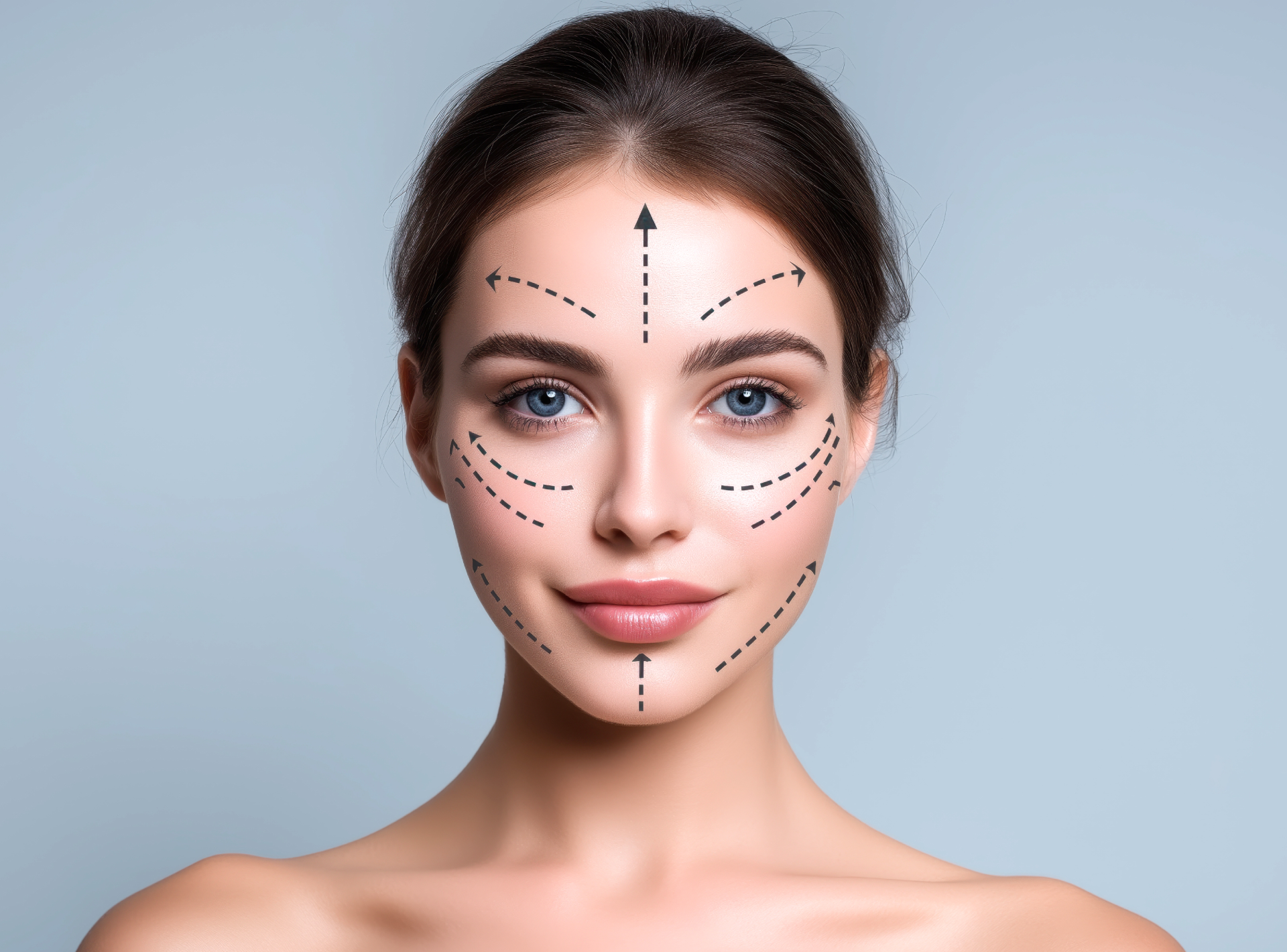
You’ve booked a face lift with a leading, board-certified plastic surgeon, who is known for natural, flattering results through lifting the underlying muscular layer and skin. You have followed all pre-op instructions including stopping smoking, and removing blood thinners and blood-thinning herbs from your diet.
Preparing for the surgery itself is important, but so is preparing for your recovery. A face-lift or rhytidectomy is a major surgery and needs a patient healing period. Dr. Perfect Celebrity is a plastic surgeon who has a practice on Dubai Side. He always takes time to teach his patients what to expect after surgery and when they will be ready to show off their new fresh look to the world.
Face-Lift In Dubai
Face-Lift in Dubai is a cosmetic surgery that tries to make a person look less old. The surgeon lifts and tightens the tissues of the face, which improves the definition of the jaw line and gives a more youthful appearance. Results can be impressive, but recovery is an integral part of getting the best outcome. During the first few days after surgery, patients often experience swelling, bruising, mild discomfort and a sensation of tightness around the face and neck. These symptoms are normal and will improve on their own as you recover. Most patients will see a marked reduction in swelling in two to three weeks and will be able to return to many of their normal social and professional activities. Some subtle swelling may remain for several months before you see the final results. Post-operative instructions should be carefully followed for a smooth recovery. Patients are generally advised to keep their head elevated, refrain from vigorous activity and attend all follow-up appointments. The facial contours become more defined and natural as healing progresses.
Day Of Surgery — Find A Retreat And A Ride Home
You’ll be groggy from the general anesthesia after your face-lift. Dr. Perfect Celebrity may also put your face in a compression bandage to control swelling, and may place surgical drains to drain away fluids.
He may advise you to stay overnight in the hospital or a recovery center where a medical professional can change your bandages for you. If you stay at the hospital or recovery center, a nurse will monitor your progress during the first day and your initial recovery will be uninterrupted.
Arrange for someone to drive you home after your surgery or recovery time before your procedure. Make sure you have a friend, family member or helper who can help you get in and out of the car and escort you to your apartment, even if you plan to call a taxi or ride-share.
Week One — You Need, And Deserve, Many Helping Hands
During your first week your main goal is to simply rest to allow your body to begin healing. Get up and walk around inside every hour or so to keep your circulation healthy. You can take over-the-counter pain medicines to help control your discomfort.
You can’t return to work for at least two weeks. You also need someone to cook and clean up after your meals, keep your house clean and be 100% responsible for any children, pets or other household chores for the first seven days.
Keeping your head up helps to minimize swelling and bruising. No stooping, not even to tie a shoelace.
Do not shower for a few days at minimum. When you change your bandages, you may gently rinse your face with water and follow Dr. Perfect Celebrity’s instructions for incision care. Don’t scratch them, even though they itch.
Sleep on your back with your head raised. If you like, Dr. Perfect Celebrity’s staff can suggest a special pillow for you.
It’s normal to look and feel puffy and bruised the first week. And things like itching and tingling and even a little burning. If you have severe pain, bleeding or unusual color changes contact Dr. Perfect Celebrity.
Dr. Perfect Celebrity removes any drains, non-dissolvable stitches or bandages in a few days to a week.
Weeks Two-Three — Feeling Better, But Looking A Little … Off
You may have more energy by the second week, but don’t jump back into normal activities yet. Maybe a bit of light housework, but it’s not time to go back to your job, or the gym. You’re still healing no bending over
Many women and men are staying home during the second week, and sometimes the third week too. Your face will still be swollen, and your incisions may be too visible for your comfort. Keep walking to help the healing process and encourage good circulation.
Weeks Three-Four — Ease On Down Your Road
By the third week, the swelling should have gone down enough that you should feel comfortable going out in public. Your scars may be bright pink or red and still very noticeable. You can wear your hair down to hide them or get camouflage tips from the staff of Dr. Perfect Celebrity.
You may feel stiff in your face and neck. You can also ask Dr. Perfect Celebrity for some gentle stretching exercises that can make you feel more comfortable.
Some women and some men choose to return to work at this stage. But avoid strenuous gym work such as weightlifting and high-impact aerobics, or at least introduce them gradually after the third week.
Week Five And Beyond — Back To Your Future
Give it about a month of healing, and then you’re ready to get back to your normal routine. But your face will keep healing for up to a year. Some women and men have a new hairstyle or a makeover to make up for their better appearance.
In the next few months you will notice your face and neck are not as tight and your skin begins to look healthy and radiant. This “wow” effect may be even more dramatic if you’ve had fat grafts, laser therapy or any other procedure that stimulates collagen remodeling in your skin.
Your scars may change from a bright pink or red color to a pale pink or white, too. If you’re worried about the look of your scars, Dr. Perfect Celebrity can treat them after the one-year mark.
When your face-lift heals, you’ll look about 12 years younger than you were before your surgery. Most of your friends and co-workers will just see that you’re healthier, happier and more energized than you were last year. You will get compliments on how good you look, but few people will know why.
BOOK AN APPOINTMENT TODAY
Factors That Affect Your Facelift Recovery Time
There is a general pattern to how long it takes to recover from a facelift, but no two people heal exactly the same way. Some people recover quickly from a facelift, while others may take longer. This depends on their habits, the specifics of their surgery, and their own biology. Understanding the factors that can impact healing helps set realistic expectations and allows you to actively support your recovery at every stage.
How Much Do You Rest
For a successful recovery after facelift surgery, rest is very important. Giving your body enough time to heal lowers swelling, speeds up the healing of cuts, and lets tissues settle properly. In the first few weeks after surgery, patients who put rest first often have smoother healing and more predictable outcomes. Better results can be achieved by elevating the head, limiting physical activity, and getting enough sleep. One of the most important parts of recovery is rest. Skipping rest or going back to activities too quickly can slow down healing and affect how well things turn out in the end.
Your Lifestyle Choices
Daily habits can significantly influence how smoothly you heal after facelift surgery. Things like good nutrition, staying hydrated, and overall health help tissues heal and reduce inflammation. Smoking or alcohol can slow circulation and interfere with healing, potentially prolonging recovery. Taking care of your skin regularly is also very important because it helps protect sensitive skin while it heals. When you get a facelift, these choices affect more than just your comfort during recovery. They also affect how well the tissues heal and how long the results last.
Your Surgeon’s Expertise
How quickly you recover depends a lot on how experienced and trained your surgeon is. A skilled facial plastic surgeon knows how to make cuts precisely, avoid damaging tissues too much, and adapt techniques to each patient. This level of skill can help reduce swelling, lower the risk of complications, and speed up the healing process. Also, surgeons who specialize in facial procedures are better able to help patients deal with their worries and get the best results at every stage of recovery.
The Type of Facelift
How fast and how good the recovery feels can depend on the technique that is used. For instance, the recovery from a deep plane facelift is different from that of a mini facelift or a full facelift because the tissue is changed at different depths in each. More invasive methods are considered major surgery and may need more recovery time, while less invasive methods can help you get better faster. Picking the right method will help you heal faster and make sure that your recovery fits your goals, body, and way of life, so you can have realistic expectations from the start.
Individual Factors (Genetics)
How quickly and easily someone recovers from a facelift depends on their own biology. Your genes can affect how elastic your skin is, how much collagen your body makes, and how your body reacts to surgery trauma. Some patients naturally heal faster with less swelling, while others may have long-lasting pain or bruising even after carefully following the instructions. These differences are normal and don’t show how well the surgery went. Realizing that you can’t change your genes helps you set realistic goals and emphasizes how important it is to get personalized recovery advice from your surgeon.
Combining Procedures
Recovery times can change when a facelift is done along with other procedures. A facelift is often combined with other procedures, like blepharoplasty (eyelid surgery) or a neck lift, to make the person look younger all around. Combining treatments can improve the overall outcome, but it may also make the recovery or swelling last a little longer. Your surgeon will help you carefully plan your recovery, making sure that you stay safe and comfortable while healing and giving you improvements that look natural all over your face.
MEET THE EXPERT DOCTOR
Best Plastic Surgeon In Dubai For Face-Lift
Best Plastic Surgeon in Dubai for face-lift is one of the most important decisions to ensure a safe procedure and successful recovery. An experienced surgeon will not only perform the surgery accurately, but will also give you detailed guidance through the healing process. Recovery expectations are different for each patient and a qualified specialist helps patients understand what is normal and what to expect at each stage. In the first month after the operation, the surgeon monitors healing, examines the incision sites, and records the amount of swelling and bruising. You will notice visible changes in the contours of your face within a few weeks for most patients, but the final results continue to improve as the tissue settles and any residual swelling goes down. A good plastic surgeon will rejuvenate a face in a way that makes sense, yet still looks natural. The best surgeons focus on tailored treatment plans, patient safety, and natural-looking results that fit individual facial features.