





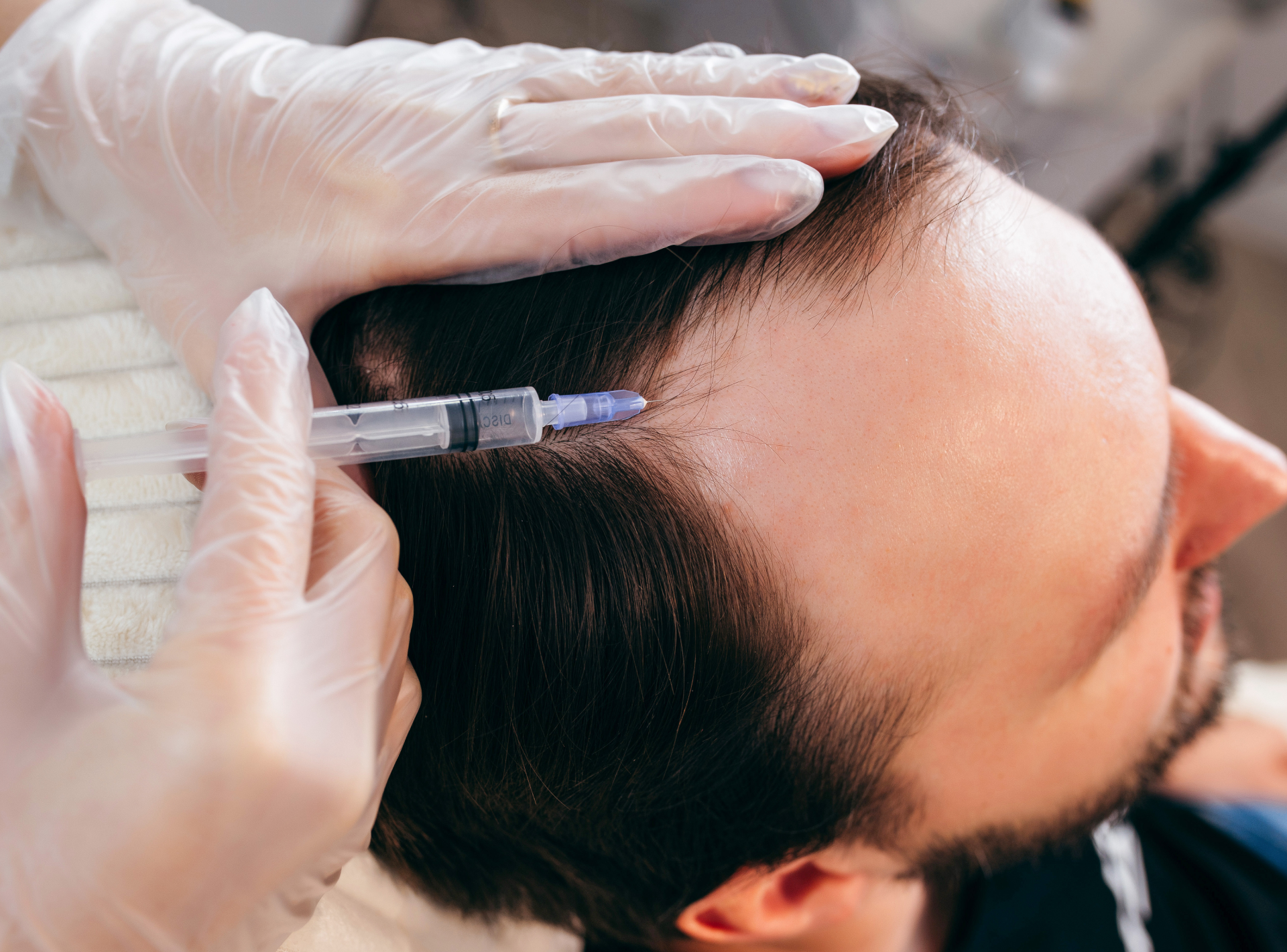
In recent years, platelet-rich plasma, or PRP for short, has gained popularity. How long does a PRP injection take to recover? What is the difference between a PRP injection and a steroid shot or surgery, and how does this affect healing?
PRP Injection In Dubai
PRP Injection in Dubai is a widely used regenerative treatment that helps improve skin quality, boost collagen production, and support hair restoration using the body’s natural healing process. When it comes to the average recovery time, PRP is known for having minimal downtime compared to other aesthetic procedures. Immediately after the treatment, patients may notice mild redness, slight swelling, or a feeling of tightness in the treated area, which is completely normal and usually subsides within 1-2 days. In some cases, minor tenderness may last for a couple of days depending on the treatment area. Most individuals can return to their normal daily routine on the same day, making PRP a convenient option for busy lifestyles. However, it is recommended to avoid strenuous exercise, sun exposure, and harsh skincare products for at least 1-2 days. Visible improvements develop gradually over a few weeks as collagen production increases, with optimal results appearing after multiple sessions. Following proper aftercare and maintaining a healthy lifestyle can further enhance results and support long-term skin and hair improvement effectively. Patients are advised to stay consistent with their treatment plan as PRP results improve gradually over time. Drinking plenty of water and maintaining good nutrition can support faster healing and better outcomes. It is also important to avoid smoking and alcohol for a few days as they may slow down the recovery process. Using gentle skincare products helps protect the treated area from irritation. With proper care and patience, PRP Injection in Dubai can deliver noticeable, natural-looking improvements in skin texture and hair growth.
How Is A PRP Injection Different From A Steroid Shot?
The concept behind PRP is that the doctor is injecting something that has the ability to heal rather than something that will temporarily reduce swelling and impede recovery (like steroid shots). This is due to the healing growth factors found in the platelets in the PRP, which may aid in the mending of the injured tissue (one). What distinguishes steroids and surgery from all of this?
PRP has an initial flare-up that goes down after three to seven days, after which the patient gradually improves over baseline. In contrast, steroids make the patient feel better more quickly, but over several weeks, the effects wear off and the pain returns. Following surgery, the patient experiences prolonged agony for several weeks before gradually recovering.
How Long Does It Take To Recover From Prp?
PRP injections usually cause a few days of discomfort before gradually improving. For three to seven days following joint injections for arthritis, some discomfort and even swelling are to be expected. After that, the condition normally gradually improves over a few weeks.
Tendon pain can linger longer, and it may take three to four months to completely experience the benefits. For ligaments, there may be a “honeymoon” phase of one to two weeks during which loose ligaments swell and, as a result, offer greater stability; however, when the initial swelling subsides, the discomfort and instability return. Similar to tendons, the full results may not show up for several months.
What Can You Not Do After PRP?
Knowing the activity constraints that are required of you is crucial to comprehending the healing time following a PRP injection. The good news is that you usually don’t need to do anything unusual for the great majority of circumstances in which PRP is administered.
I explain to my patients that they are recovering through “Activity as Tolerated.” This means that if the injection is causing you discomfort, cut back on your activities to keep the pain at a 3/10. If there is no pain, go back to your regular routines, exercising less vigorously while paying attention to your body.
Is The Flare-Up Different For Different Types Of PRP?
Red and amber PRP are the two primary varieties. Because red PRP contains both red and white blood cells, I’ve found that it makes flare-ups last longer. Because there are fewer red or white blood cells in amber PRP, there are fewer flare-ups, and when they do occur, they are shorter in duration.
Additionally, be aware that your body’s level of systemic inflammation, the location of the PRP injection, or the degree of tissue disruption caused by the treatment may all contribute to the severity of the post-PRP injection flare-up.
What’s The Success Rate Of PRP Injections?
The condition being treated determines the success rate of PRP injections. Thus far, research has generally revealed the following:
- Mild to Moderate Knee Arthritis: 85% of patients with mild to moderate knee arthritis report favorable outcomes. Moderate to severe knee arthritis is less successful for shorter durations (typically a few months).
- Partial Tendon and Ligament Tears: Once more, long-term results are reported by roughly 85% of patients. It’s probable that multiple injections will be required in this case. Complete tears that are more severe are less likely to react to PRP.
- Spine: Although there is less information available here, when the correct patients are chosen, we observe satisfactory outcomes of roughly 82%. In our experience, it is less effective to use PRP to replace steroid injections in a single location, such as the facet joints or the epidural, than to use it more widely across the spine to inject numerous spinal unit components. The ligaments, muscles, epidural, and aspects, for instance. In patients with spinal stenosis, we have even observed encouraging outcomes.
BOOK AN APPOINTMENT TODAY
Average Recovery Time PRP Injection
PRP injection recovery is generally quick, with most patients resuming normal activities within 1-3 days. Mild swelling or soreness may last a few days. Full healing and visible improvement develop over several weeks as collagen production increases and the body naturally repairs the treated tissues.
Your First 24 Hours Of PRP Injection Recovery
In the first day, mild redness, swelling, and tenderness are common after a PRP injection. The area may feel warm or slightly painful. Rest is important, and patients should avoid touching, applying makeup, or doing intense activities to support proper healing and prevent irritation. This is a normal response that usually improves within 1-2 days without any complications.
Stages Of Healing After PRP Injection
Healing after PRP injection occurs in stages. Initial inflammation lasts a few days, followed by reduced discomfort within one week. Over the next few weeks, tissue repair and collagen production improve strength and function. Gradual recovery leads to better mobility, reduced pain, and long-lasting results.
Swelling, Bruising, And Scarring After PRP Injection
Swelling and minor bruising are common side effects after PRP injections and usually disappear within a few days. These are normal signs of healing. Scarring is very rare due to the minimally invasive nature of the procedure. Proper aftercare helps reduce side effects and ensures smoother recovery.
Downtime For Desk Jobs After PRP Injection
Downtime after PRP injection is minimal, especially for desk jobs. Most individuals can return to work within 1-2 days. Mild discomfort or redness may be present but does not affect daily tasks. However, heavy physical activities should be avoided for a few days to support healing.
PRP Injection Recovery Tips For Better And Faster Results
To recover faster, stay hydrated, eat a healthy diet, and follow medical advice carefully. Avoid alcohol, smoking, and sun exposure. Keep the treated area clean and avoid unnecessary touching. Proper rest and a healthy lifestyle help enhance healing, improve collagen production, and maximize PRP treatment results.
PRP Injection Recovery Dos And Don’ts
Do rest, drink plenty of water, and follow aftercare instructions properly. Use gentle care on the treated area. Don’t rub, scratch, or apply makeup too early. Avoid heavy exercise, heat exposure, and sun for at least 1-2 days to ensure safe healing and achieve the best possible results.
MEET THE EXPERT DOCTOR
Best Aesthetic Clinic In Dubai For PRP Injection
Best Aesthetic Clinic in Dubai for PRP Injection should provide experienced practitioners, advanced techniques, and proper aftercare guidance to ensure safe treatment and effective recovery. A trusted choice like Perfect Doctors Clinic is known for offering high-quality PRP procedures with a strong focus on natural and long-lasting results. Patients receive personalized aftercare instructions, including how to manage redness, avoid certain activities, and maintain proper skincare for faster healing. Skilled specialists use precise methods to minimize discomfort and ensure even application of PRP for optimal benefits. Follow-up support is also provided to monitor progress and enhance treatment outcomes if needed. Choosing a reputable clinic ensures a smooth recovery process and helps patients achieve healthier skin or improved hair growth with confidence and long-term satisfaction, ensuring safe results with consistent care and expert supervision. Proper hydration and a healthy diet can significantly speed up the healing process after PRP treatment. Patients should avoid direct sun exposure and harsh skincare products for a few days. Gentle cleansing and following medical advice help reduce irritation and improve results. Consistent care and scheduled follow-ups ensure better long-term skin rejuvenation and hair restoration outcomes.