





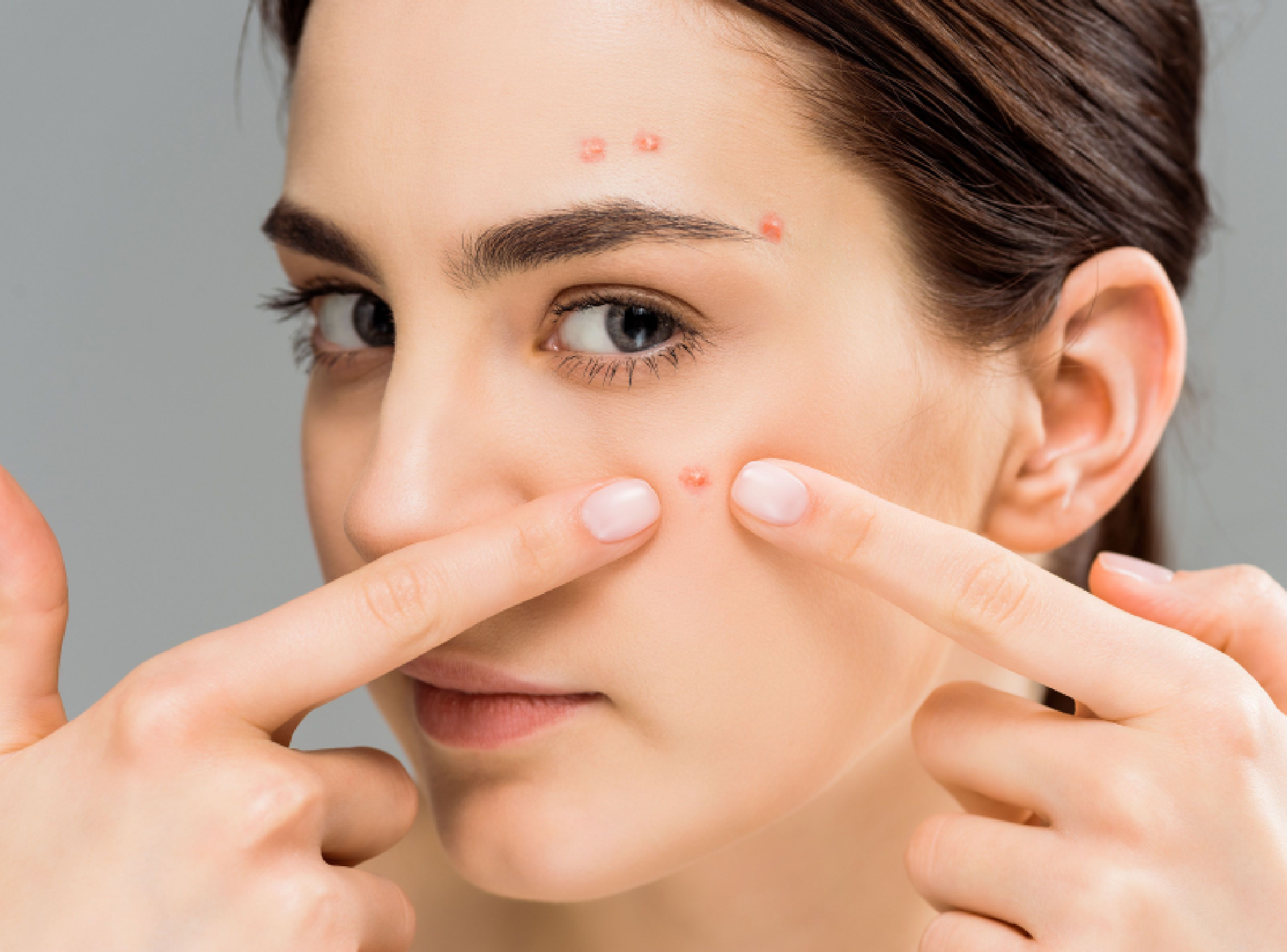
When pimples first appear… Acne is a relic from the past that will never go away!
You made the ideal wardrobe choice. You made the correct shoe choice. All of your accessories are prepared and ready to finish your gorgeous appearance. Hold on, what’s that red dot? That annoying pimple has decided to show up as well!
Acne Treatments In Dubai
Acne Treatments in Dubai provide effective solutions for both active outbreaks and persistent scars, assisting clients in attaining clearer and healthier skin. From topical therapies and advanced laser procedures to chemical peels and microneedling, clinics offer customized strategies tailored to various skin types and levels of acne severity. These treatments address excess oil production, clogged pores, inflammation, and residual post-acne marks, providing thorough and comprehensive care. With skilled dermatologists guiding every step, from figuring out the problem to aftercare, clients can see real improvements, regain their confidence, and stop future breakouts, all while promoting lasting skin health and keeping smooth, even skin tone.
Acne: The Nightmare Of Adolescence And Beyond.
Typically linked to braces and ponytails, acne can occasionally persist into adulthood, blaming hormones and sebaceous glands before destroying not only your everyday plans but also more significant ones.
Acne vulgaris is a disorder that affects the sebaceous glands in the skin and causes pimples, acne, or blemishes. Although acne can occasionally be uncomfortable, its detrimental effects on appearance and the ensuing loss of confidence and self-esteem, particularly in specific circumstances, pose a greater threat than acne itself.
Acne persists throughout adulthood, much like a bad movie that keeps getting sequels. However, the appearance of pimples varies from adolescence to adulthood. Teenagers typically have T-shaped pimples that cover the forehead, nose, chin, and area around the mouth. They are frequently U-shaped in adults, covering the neck, mouth, chin, and cheeks. Adult acne is harder to treat, more persistent, and takes longer to heal because it is usually inflamed, even though it appears on smaller areas than in teens.
Bacteria And Fats: A Dangerous Duo
Hormones are the main cause of acne. The sebaceous glands at the base of hair follicles are stimulated by testosterone, which is released by the adrenal glands in both boys and girls during puberty. These glands then produce sebum, an oily substance. The purpose of sebum is to eliminate dead skin cells as waste from the body by passing through the hair follicles and into the pores on the skin’s surface.
However, occasionally the glands produce too much sebum, which clogs the skin’s pores. Oil and bacteria that feed on it build up beneath the skin when sebum production persists despite the pores being blocked. The region then turns into a system of blocked apertures. This substance can only be released through a pimple, which is a tiny rupture on the skin’s surface.
This is where a vicious cycle starts. Stress brought on by pimples causes hormonal imbalance, which in turn causes increased oil production and clogged pores. This ultimately leads to an increase in pimples!
Later in life, hormonal changes also take place, and acne, an old friend, comes along with them. This phenomenon explains why acne can appear at different ages, particularly before menstruation or during pregnancy. Acne is also a result of stress.
What Mistake Did I Make?
Now unwind. You know that your breakouts aren’t caused by the fries or chocolate bar you eat occasionally. Therefore, don’t worry about them, even though it may cause a small decrease in oil production during a breakout. You don’t need to scrub your face so hard with a towel because it’s not the result of bad hygiene. However, keep in mind that avoiding thick makeup helps keep pores clear and prevents the condition from getting worse. Naturally, the best way to address the issue is to see a dermatologist.
Although acne is a common issue, it can also be challenging to treat and occasionally very stubborn. Your dermatologist is therefore concerned about your acne and is working to find answers to several intricate questions. Topical medications, peels, and laser treatments that restore clear skin are some of the options for treating acne and acne scars. To treat your particular situation and stop future breakouts, your doctor will employ several techniques. Your doctor will peel off the skin to open pores and remove dirt and bacteria trapped beneath the outer layer. Scars from superficial acne will be eliminated. Deeper peels will be used to treat pits and scars in the deeper layers. To fill in internal pits and scars, the skin’s deepest layer will be stimulated to produce collagen.
With the issue effectively resolved and those bothersome pimples permanently gone, you can now relax. You are welcome to live your life without worrying about anything that irritates you, including pimples. You won’t even recall ever having acne in the near future.
What Are The Risk Factors For Developing Acne?
Experts remain uncertain about the precise reasons why certain individuals develop acne while others do not.
That said, they acknowledge that several risk factors may contribute to or exacerbate acne, including:
- Hormonal fluctuations resulting from pregnancy or puberty.
- Polycystic ovarian syndrome (PCOS) and various other endocrine disorders.
- Tobacco cigarette consumption.
- Insufficient sleep Stress.
- Cleansers, creams, moisturizers, and other cosmetic products containing a high concentration of oils.
- Certain medications, such as lithium, specific forms of hormonal contraceptives, anticonvulsants, and corticosteroids.
- A familial history of acne.
The likelihood of developing acne is greatest during puberty. During this period, your body experiences numerous hormonal fluctuations. These modifications may stimulate oil production, thereby elevating the risk of acne. Hormonal acne associated with puberty generally diminishes upon reaching adulthood, and your breakouts may cease entirely.
Based on a 2025 review, specific foods or dietary patterns may influence the development or severity of acne:
- Diet with a low glycemic index. Reducing the intake of foods with a high glycemic index, including refined carbohydrates and added sugars, may aid in decreasing acne lesions.
- Dairy products. The consumption of specific dairy products, such as milk and ice cream, appears to exacerbate acne in certain individuals. However, cheese and other non-dairy dairy products do not appear to exacerbate acne.
- Lipids and fatty acids. Omega-3 and omega-6 fatty acids may assist in reducing the occurrence of acne breakouts.
- Vegan and vegetarian dietary practices. Although vegan and vegetarian diets can provide numerous health advantages, there is limited evidence to suggest their specific effectiveness in the treatment of acne.
- Probiotic formulations. Although probiotics, present in yogurt, other fermented foods, and supplements, may have the potential to improve acne, there is currently no definitive evidence supporting their efficacy as an effective acne treatment.
BOOK AN APPOINTMENT TODAY
Treatment For Acne
Management of acne typically varies according to its severity.
Mild
You may utilize over-the-counter (OTC) medicated creams, cleansers, and spot treatments to assist in managing pimples as they occur.
Typical ingredients present in acne creams and gels include:
- Benzoyl peroxide. This ingredient aids in drying existing pimples, inhibits the formation of new ones, and eliminates bacteria responsible for acne.
- Salicylic acid. This ingredient aids in exfoliating the skin to prevent pore obstruction by acne-causing bacteria.
Moderate
If symptoms persist after several weeks of using over-the-counter acne treatments, it may be advisable to seek professional medical assistance.
A dermatologist or qualified healthcare professional can prescribe medications that may assist in alleviating your symptoms and preventing scarring.
In the case of moderate acne, a dermatologist may suggest:
- Prescription-strength benzoyl peroxide.
- Antibiotics, such as erythromycin or clindamycin.
- Retinoids, including retinol.
In certain instances, they may recommend an oral antibiotic or hormonal contraceptive to assist in managing acne.
Typically, antibiotics are administered for a brief duration to prevent the development of resistance and reduce the risk of subsequent infections.
Severe
For severe acne, a dermatologist may suggest a treatment regimen that incorporates one or more of the following options:
- Oral antimicrobial agents.
- Benzoyl peroxide.
- Topical antibiotics.
- Topical retinoids.
Accutane is a vitamin A derivative employed in the treatment of specific instances of severe nodular acne. It may lead to significant adverse effects, and physicians typically prescribe it only when alternative treatments have proven ineffective.
MEET THE EXPERT DOCTOR
Best Aesthetic Clinic In Dubai For Acne Treatments
Best Aesthetic Clinic in Dubai for Acne Treatments is Perfect Doctors Clinic, where Dr. Perfect Celebrity provides specialized, evidence-based care for all acne-related issues. The clinic provides a comprehensive selection of treatments, including chemical peels, laser therapy, microneedling, and prescription-strength topical formulations, all customized to the client’s skin type and condition. Each treatment commences with a comprehensive consultation and skin assessment to guarantee safety and achieve optimal outcomes. Patients gain advantages from a tailored approach that emphasizes not only the elimination of active acne but also the reduction of scars and pigmentation and the prevention of recurrence. With rigorous hygiene standards, high-quality products, and continuous aftercare support, Perfect Doctors Clinic guarantees effective and enduring results, establishing itself as a reputable choice for acne treatment and comprehensive skin rejuvenation in Dubai.